
Tag: Medipix
-
CERN Open Days: Technologies that change your lives
What does CERN have to do with 3D colour x-rays and 19th century paintings? What does CERN have to do with 3D colour x-rays and 19th century paintings? Join experts from the CERN Knowledge Transfer Group on 14-15 September at the CERN Open Days, and learn more about the real-life applications of CERN’s highly advanced
-
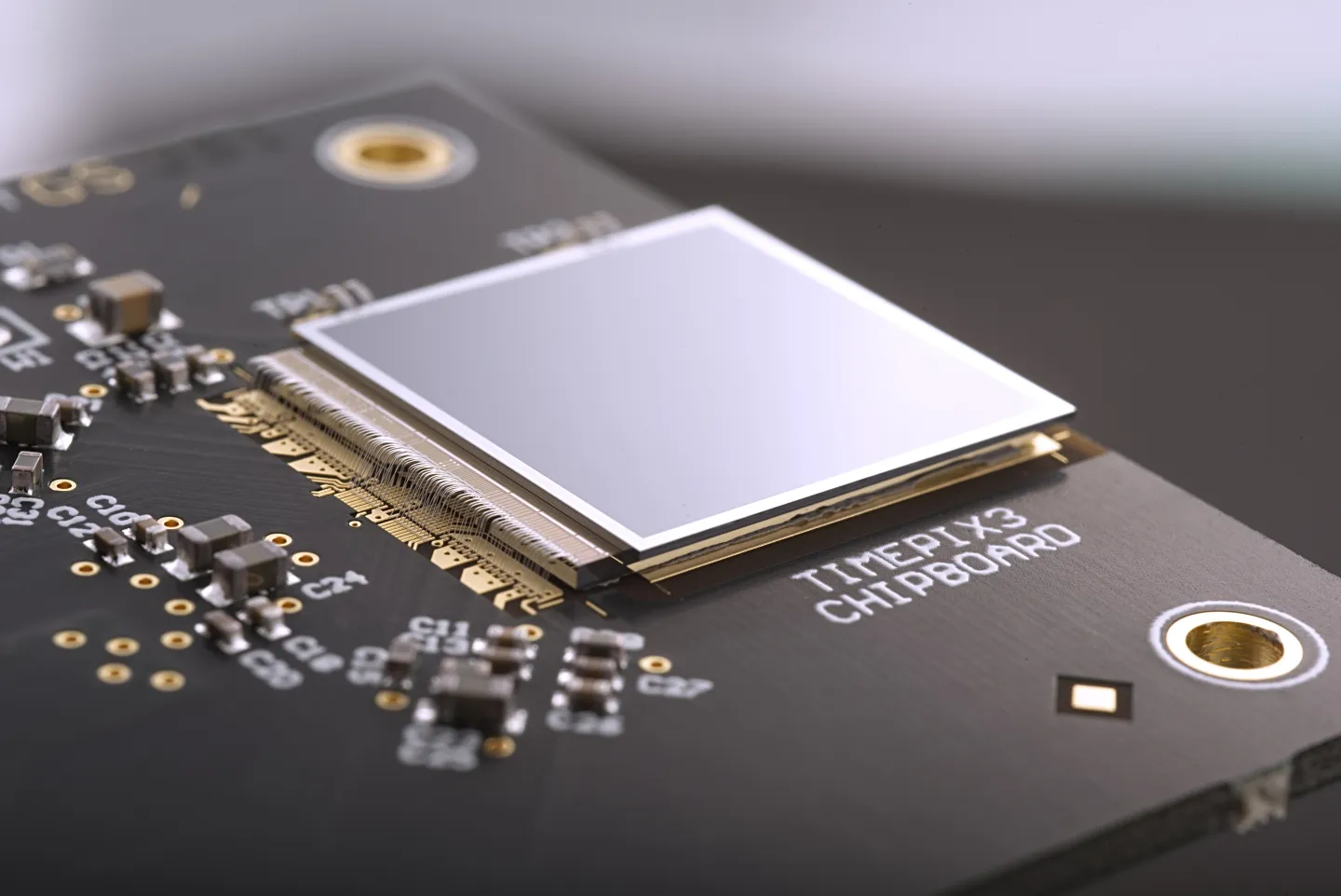
20th Anniversary Symposium on Medipix and Timepix
The Medipix2 Collaboration will celebrate 20 years of activity in 2019. To mark the occasion, a special symposium on Medipix and Timepix will be held at CERN on 18 September. The Medipix2 Collaboration will celebrate 20 years of activity in 2019. To mark the occasion, a special symposium on Medipix and Timepix will be held
-
More bang from your beam: reimagining X-ray conversion
The X-rays used for radiation therapy, medical imaging and many other applications are produced by slamming an electron beam into a piece of metal. The X-rays used for radiation therapy, medical imaging and many other applications are produced by slamming an electron beam into a piece of metal. Most of the energy from the beam
-
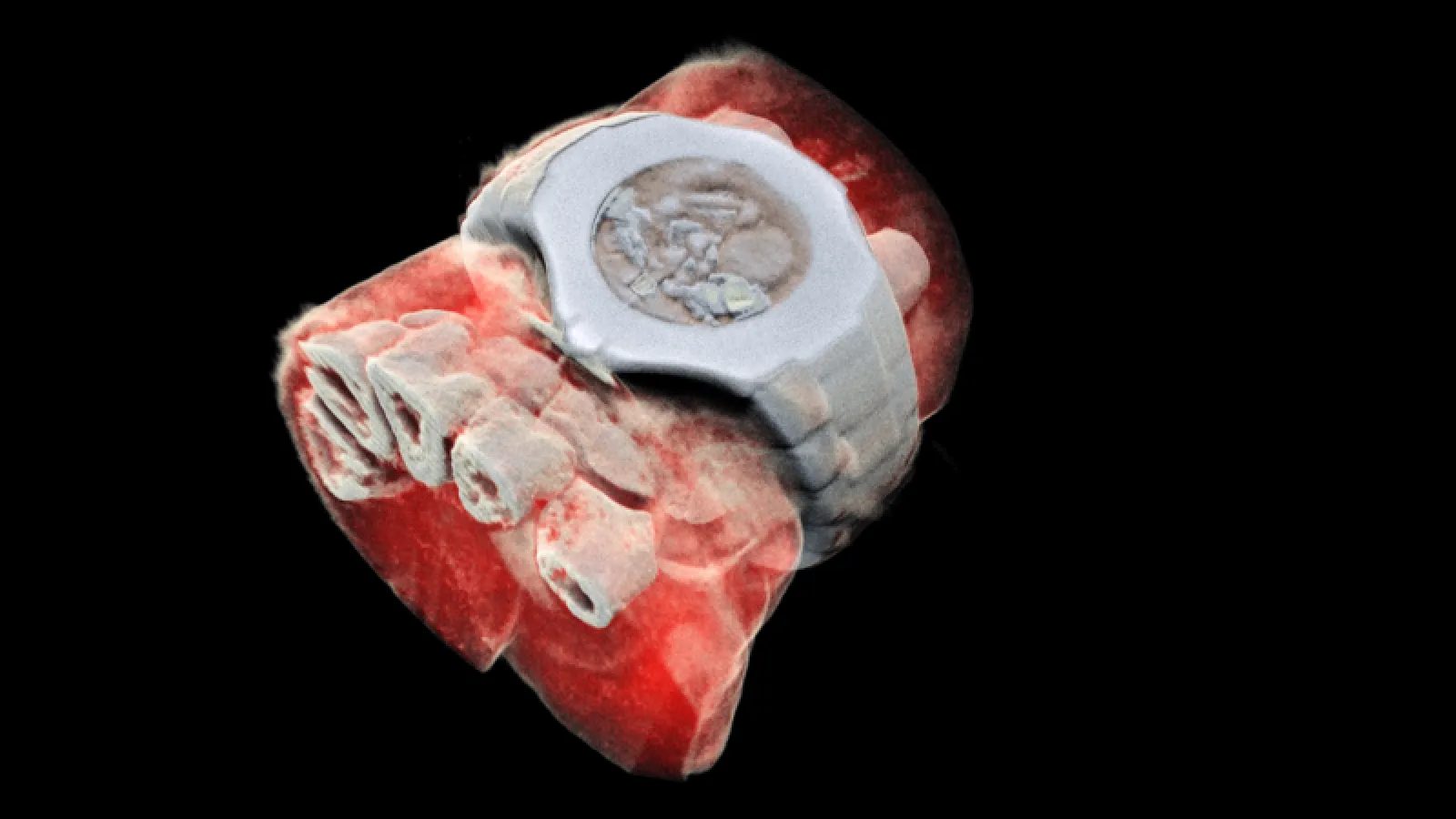
First 3D colour X-ray of a human using CERN technology
First human scanned with next–generation 3D colour scanner using CERN technology What if, instead of a black and white X-ray picture, a doctor of a cancer patient had access to colour images identifying the tissues being scanned? This colour X-ray imaging technique could produce clearer and more accurate pictures and help doctors give their patients
-
How to spot a perfect fake: the world’s top art forgery detective
BBC on Fake Art – InsightART in the report! BBC on Fake Art – InsightART in the report! In: BBC News, May 12th Also On Medipix
-
From CERN to the clinic
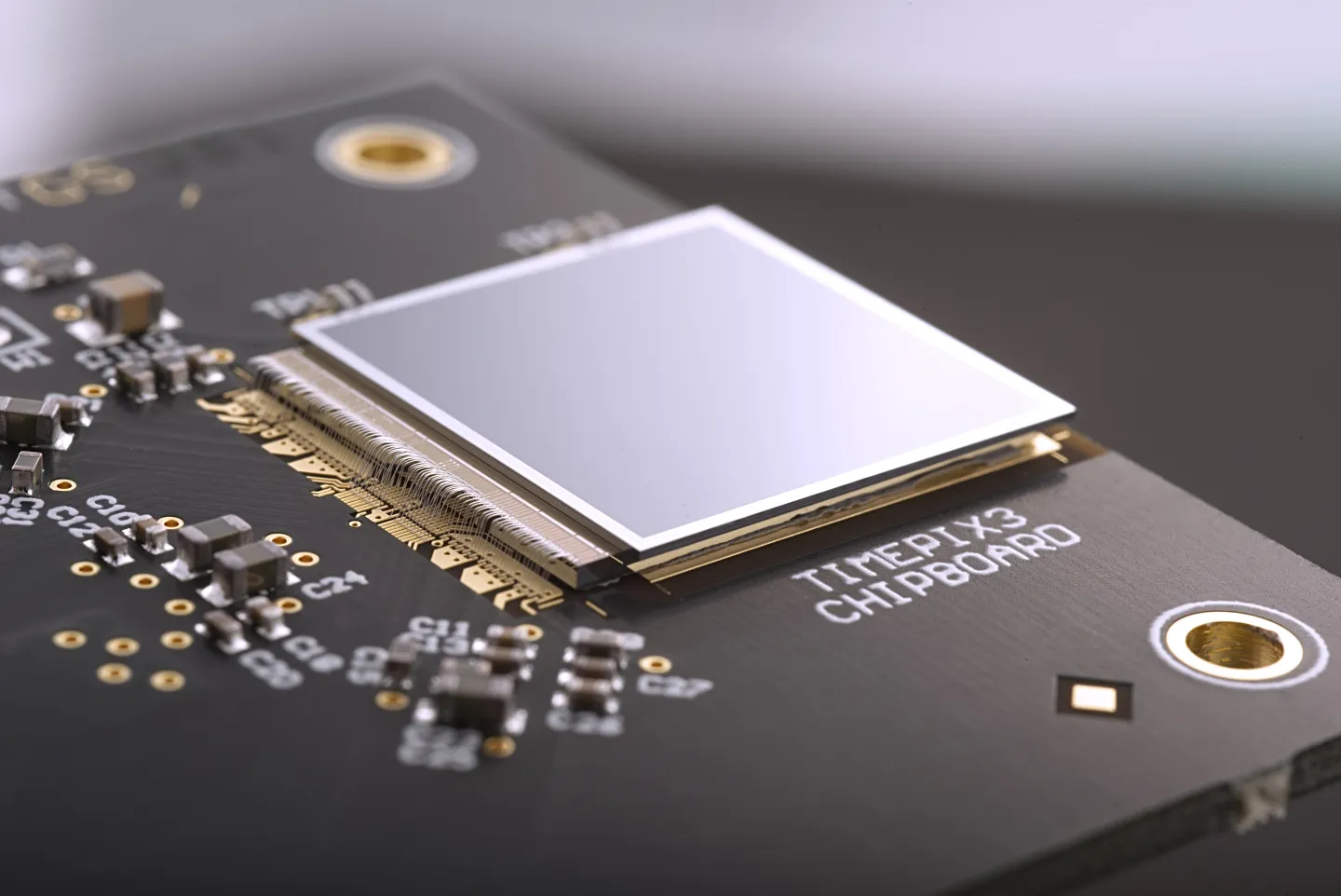
At a seminar at CERN today, Ron Heeren describes how CERN’s Timepix read-out chip might in the future be found in surgery rooms. Medipix – a family of read-out chips for particle imaging and detection developed at CERN – has proved its credentials outside the field of high-energy physics, including in art authentication and restoration.
-
2017 High Energy Physics Prize awarded to Erik Heijne, Robert Klanner and Gerhard Lutz
Erik initiated hybrid pixel detector development at CERN and was a founding member of the first Medipix Collaboration. The 2017 High Energy Physics Prize was awarded to Erik H.M Heijne, Robert Klanner and Gerhard Lutz for their pioneering contributions to the development of microstrip detectors that revolutionised high-precision tracking and vertexing in high energy physics
-
Spectral imaging: from CERN to medical technologies
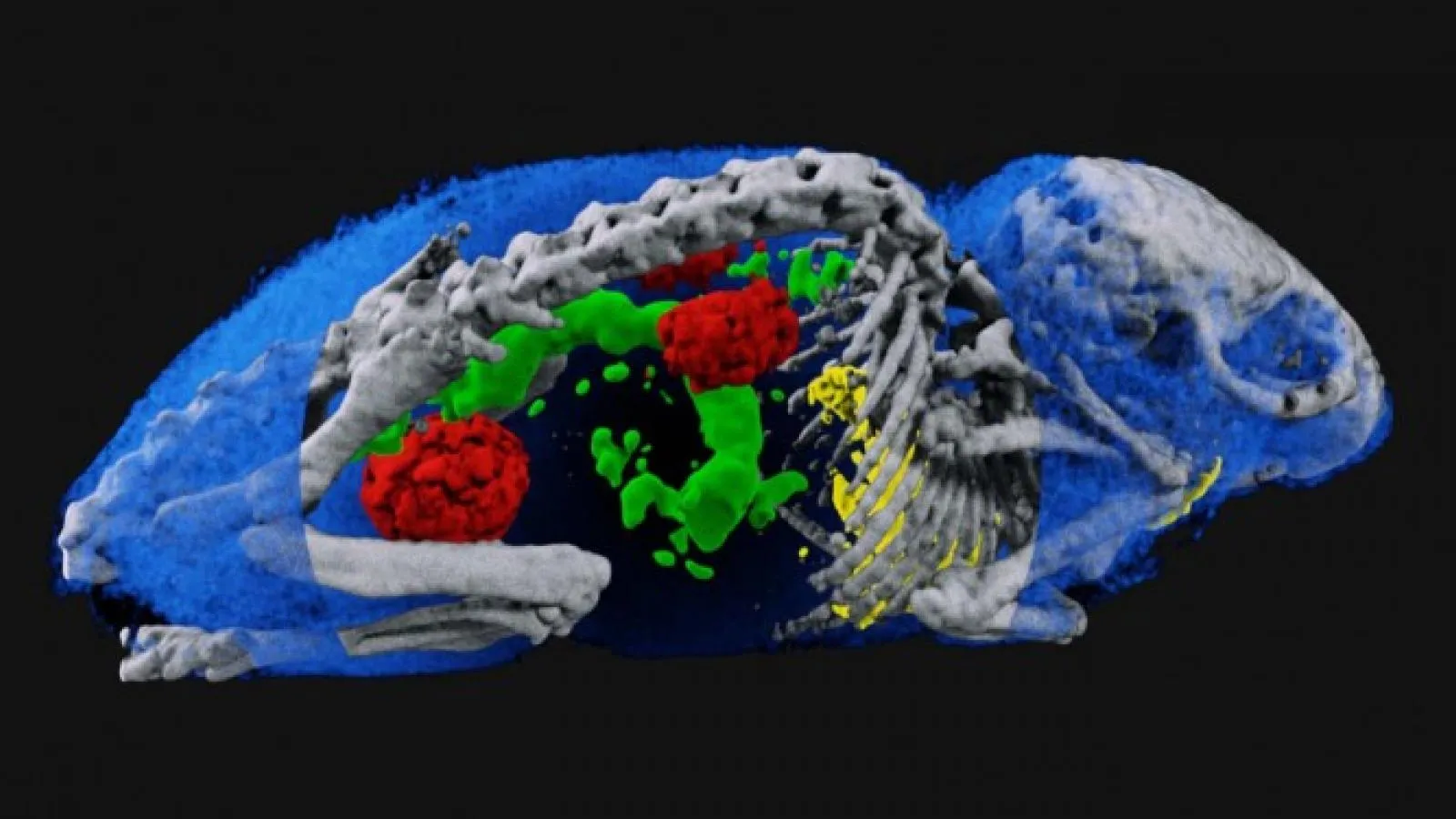
Ever since Röntgen discovered x-rays in 1895, physics and medicine have gone hand in hand, and advances made to particle detectors at CERN and elsewhere have continuously fuelled new developments in medical imaging. Ever since Röntgen discovered x-rays in 1895, physics and medicine have gone hand in hand, and advances made to particle detectors at
-

Schoolboy uses grid computing to analyse satellite data
At just 16, Cal Hewitt, a student at Simon Langton Grammar School for Boys in the United Kingdom became the youngest person to receive grid certification – giving him access to huge grid-computing resources. At just 16, Cal Hewitt, a student at Simon Langton Grammar School for Boys in the United Kingdom became the youngest
-
First results from cosmic-ray detector designed by students
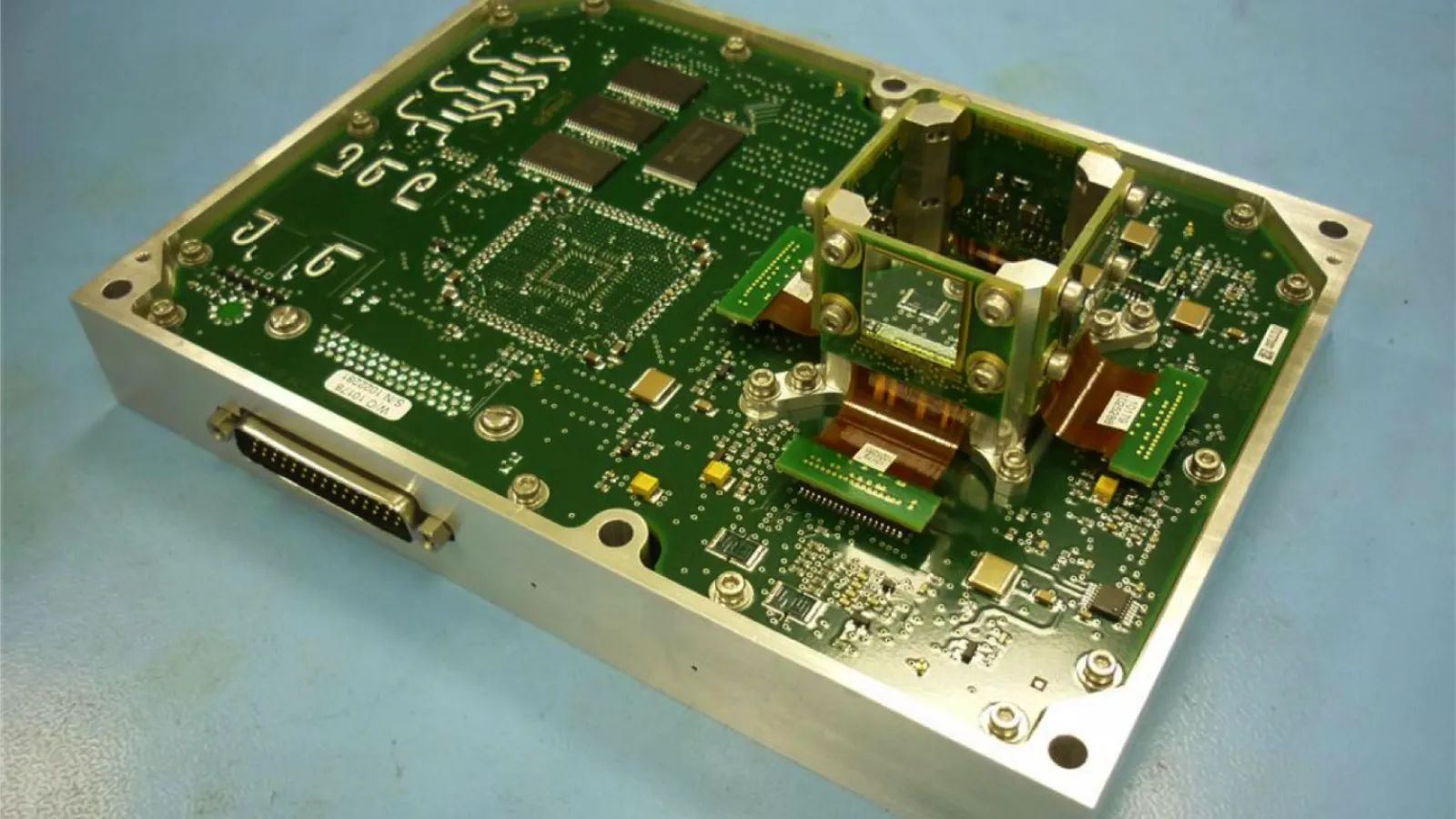
The first results from the Langton Ultimate Cosmic ray Intensity Detector (LUCID) have been presented at the 2015 UK National Astronomy Meeting. The first results from the Langton Ultimate Cosmic ray Intensity Detector (LUCID) have been presented at the 2015 UK National Astronomy Meeting. Students from the Simon Langton Grammar School, UK, devised this satellite