
Tag: Medipix
-
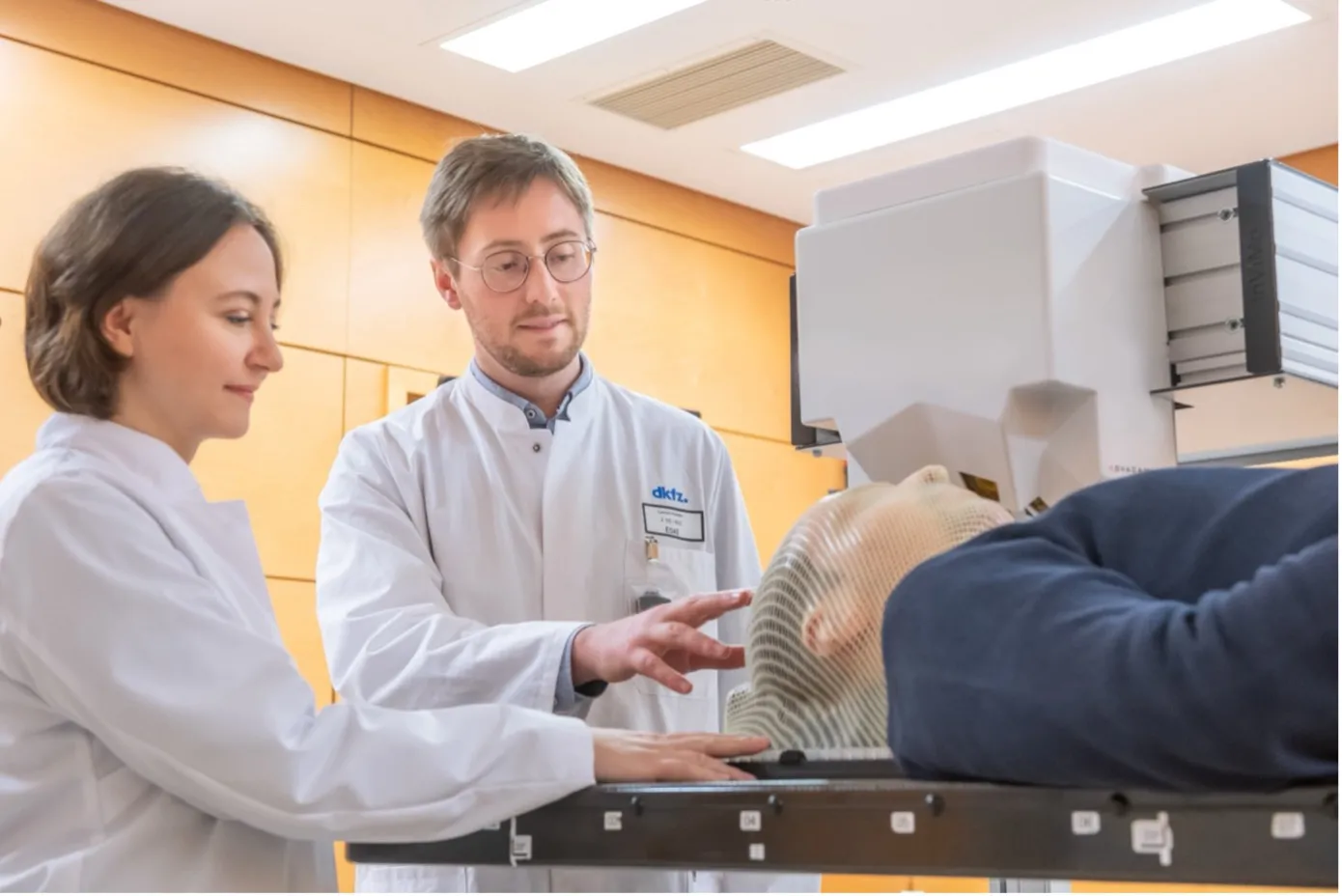
CERN detector could help to improve head tumour radiotherapy
Scientists are testing a new device to help target cancer cells more accurately in ion radiotherapy of head and neck tumours, which could help limit the treatment’s side effects. It includes Timepix3, a small particle detector developed at CERN Particle detectors like the ones used by physicists at CERN can have wide applications beyond fundamental
-
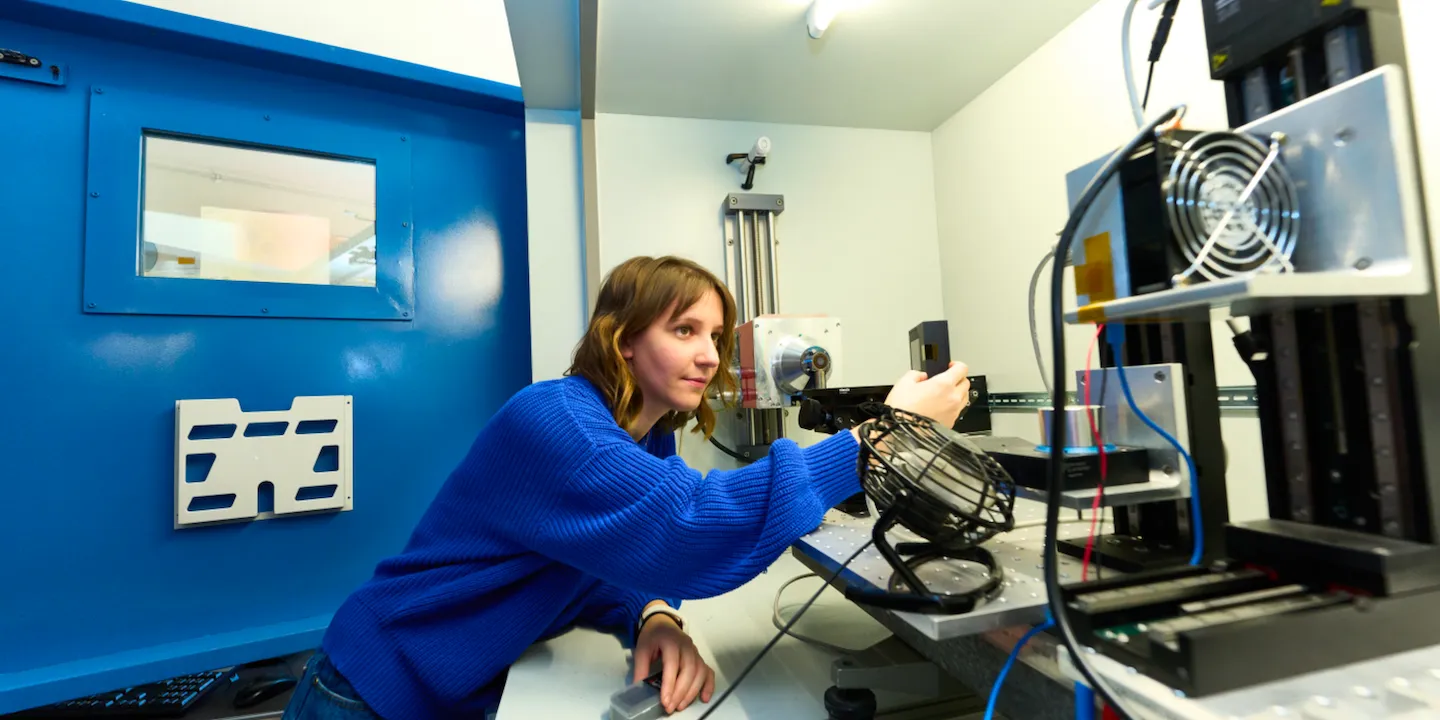
Stories from CERN’s women in science
CERN celebrates the International Day of Women and Girls in Science by shedding light on the variety of career paths for women in STEM. Each year, on 11 February, CERN celebrates the International Day of Women and Girls in Science by shedding light on the variety of career paths for women in STEM. This year,
-
Timepix: from CERN’s galleries to the Moon
The renowned Timepix detector celebrates its 10-year anniversary on the International Space Station by flying to the Moon: the chip features in NASA’s future lunar programme BROKEN IMAGE NOT MOVED (drupal url : https://medipix.web.cern.ch//news/news/timepix/timepix-cerns-galleries-moon) In July 1969, just a few days after the first Moon landing, CERN’s then Director-General, Bernard Gregory, sent the following message
-
Spectroscopic X-ray imaging now certified for medical use
The CERN Workshops on Medical Applications of Spectroscopic X-ray Detectors have been instrumental in advancing spectroscopic X-ray imaging and bringing it from the lab to the clinic BROKEN IMAGE NOT MOVED (drupal url : https://medipix.web.cern.ch//news/news/medipix3/spectroscopic-x-ray-imaging-now-certified-medical-use) The sixth Workshop on Medical Applications of Spectroscopic X-ray Detectors is currently taking place at CERN. Launched in 2011 and
-
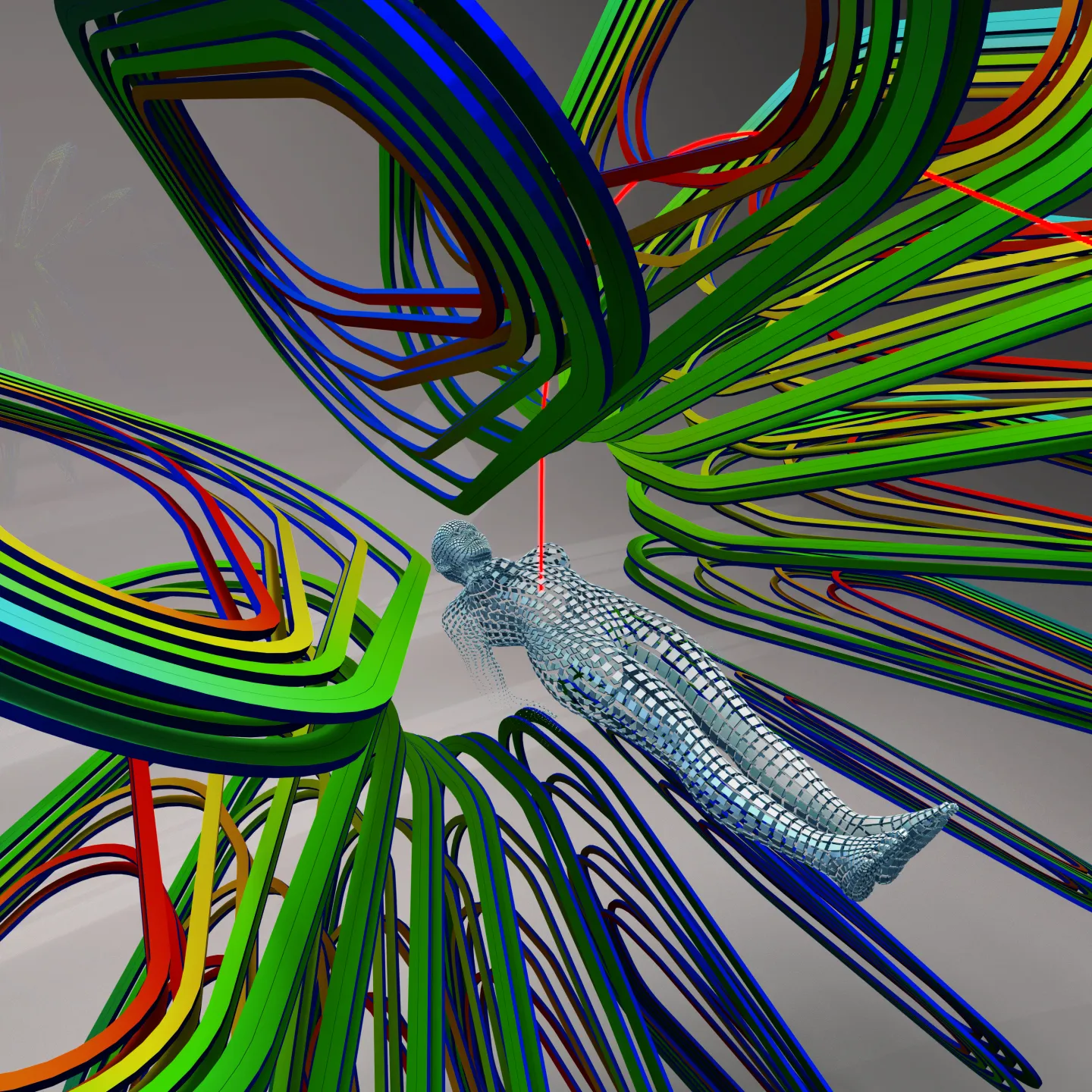
CERN’s impact on medical technology
Frontier instruments like the LHC and its detectors not only push back the boundaries of our knowledge, but also catalyse innovative technology for medical applications, writes Manuela Cirilli. This article was originally published in the July/August edition of CERN Courier magazine. Today, the tools of experimental particle physics are ubiquitous in hospitals and biomedical research.
-
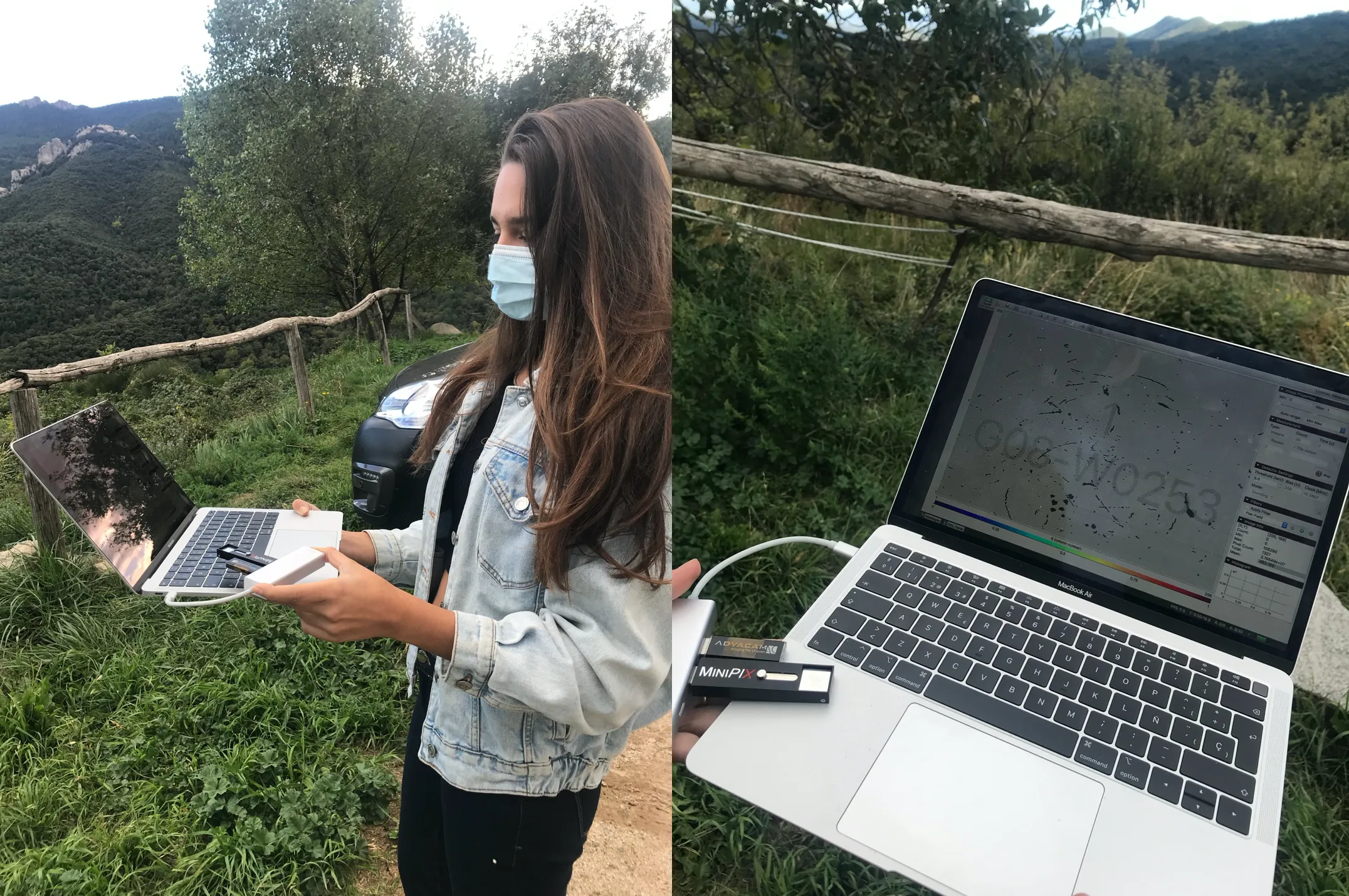
Timepix-based detectors bring particle physics in the classroom
The ADMIRA project uses Timepix-based detectors to help students experiment with particle physics and contributes to transforming STEM education. Combustion, diffraction, magnetism… Many natural phenomena can be observed, experimented with and studied at school. Some have traditionally been difficult to demonstrate and have had to rely on theory only. Particle physics is one such subject
-
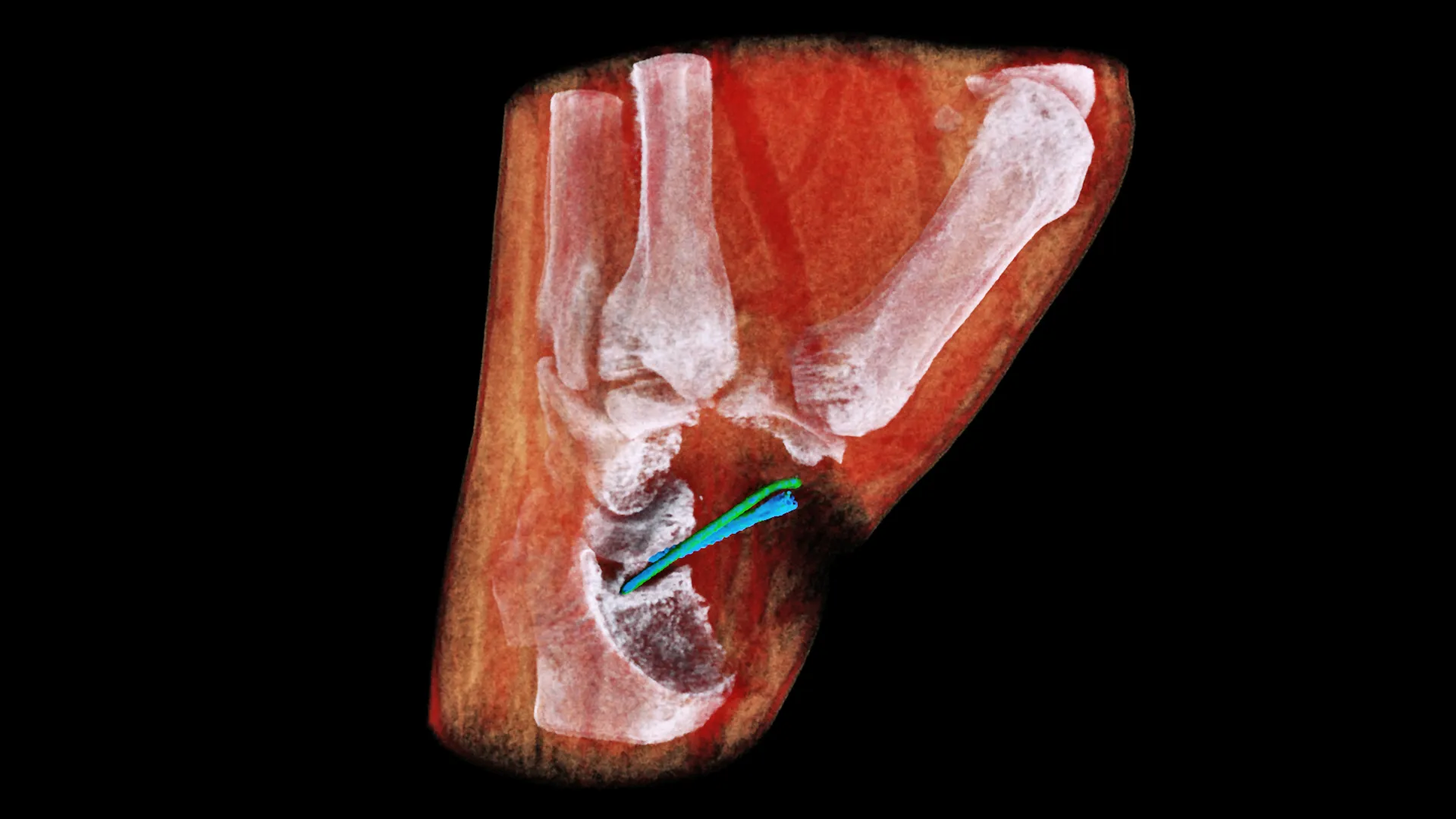
New 3D colour X-rays made possible with CERN technology
Stunning new images pave the way to large-scale human trials, two years on from the first ever 3D colour human X-ray using CERN Medipix3 technology Two years after the first ever 3D colour X-ray of a living human, MARS Bioimaging have released stunning new images made using a world-first compact scanner, based on Medipix3 technology
-
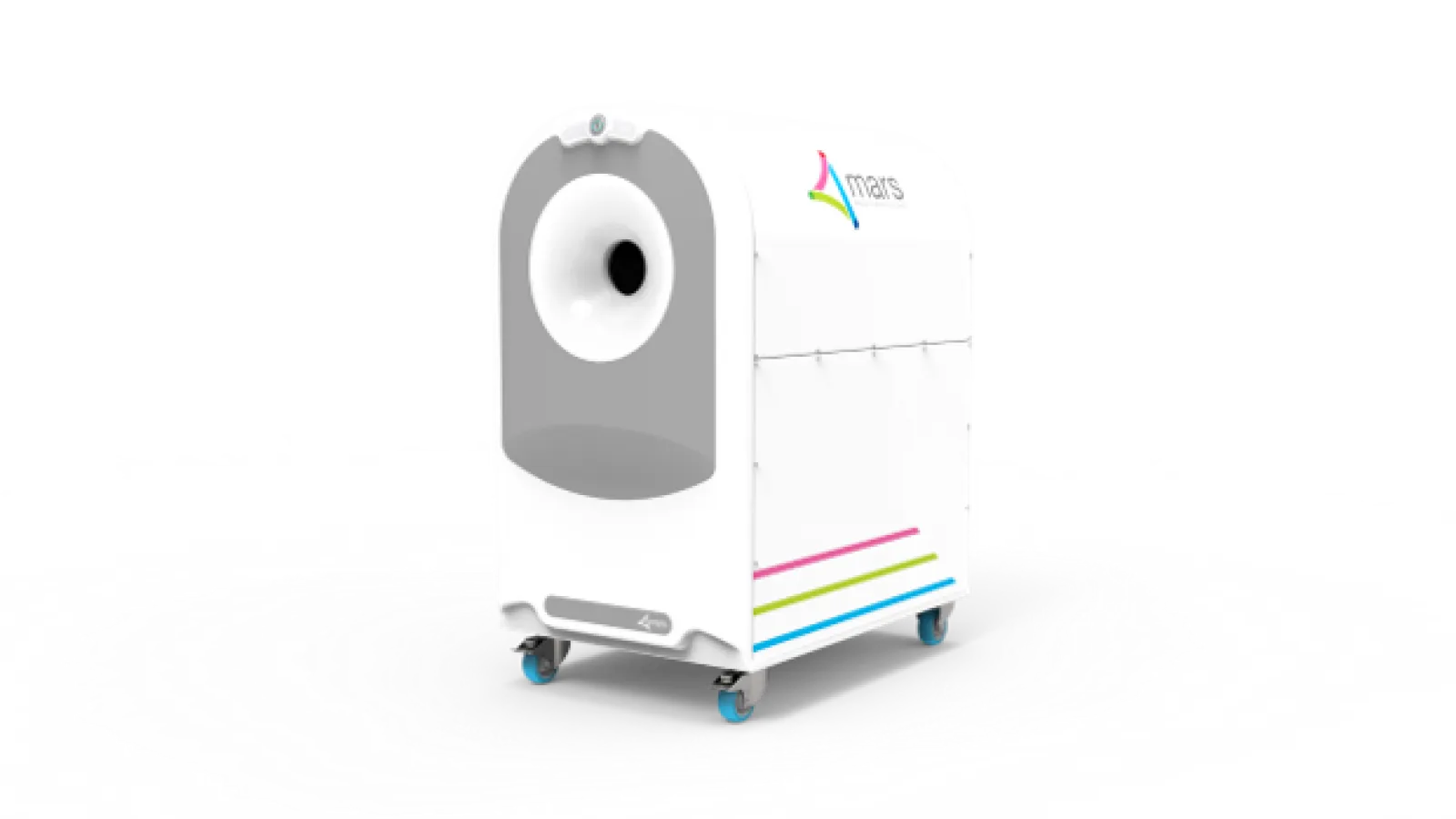
MARS Bioimaging is seeking partners to better enable drug development and therapy monitoring for COVID-19
The current standard for definitive diagnosis of COVID-19 is the real-time reverse transcriptase-polymerase chain reaction (RT-PCR). Background The current standard for definitive diagnosis of COVID-19 is the real-time reverse transcriptase-polymerase chain reaction (RT-PCR). While this is a highly sensitive and specific test for COVID-19, it does not measure the severity nor progress of the associated
-
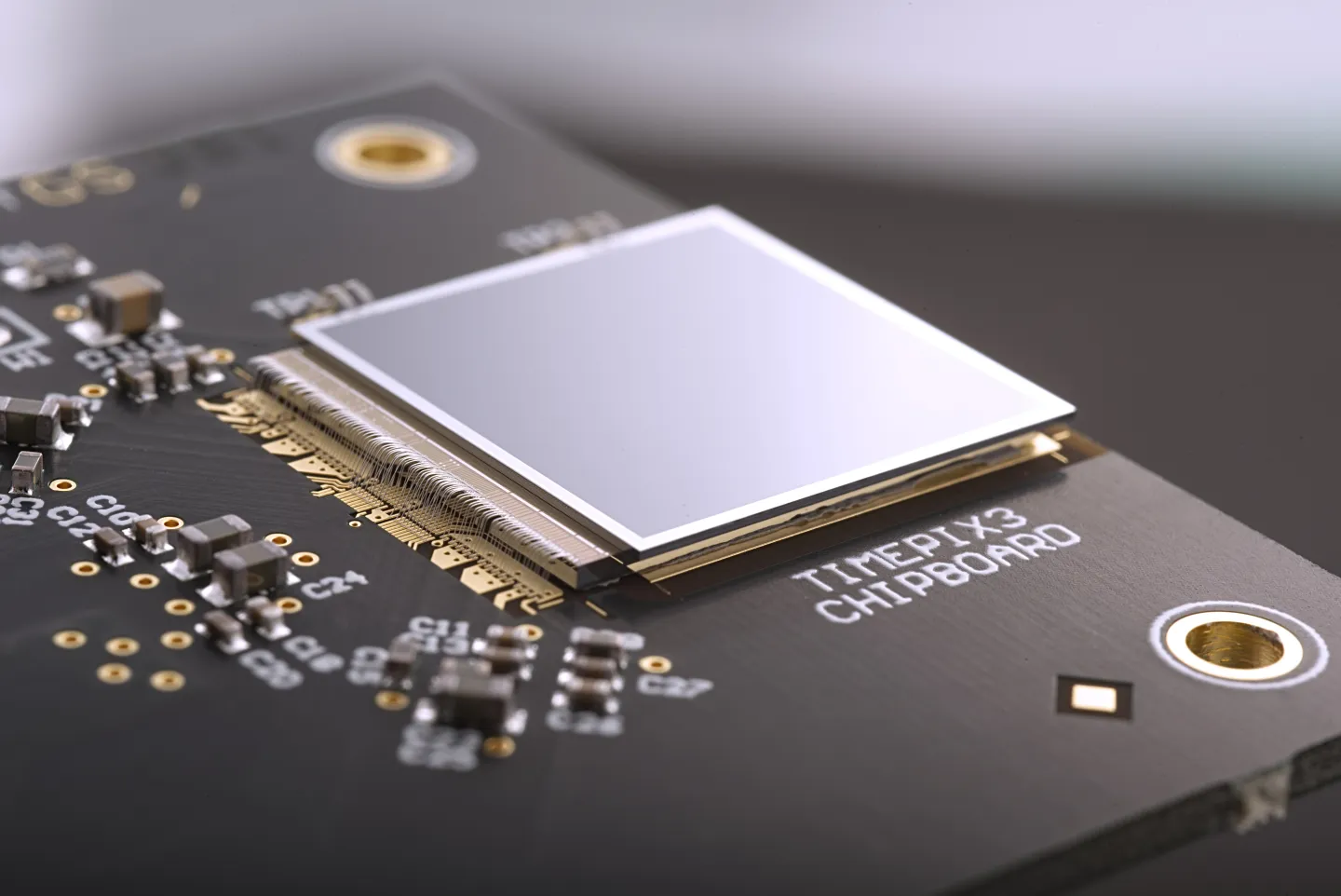
Medipix: Two decades of turning technology into applications
The story of how detector components ended up in medical imaging, in art restoration and even in space. How could microchips developed for detectors at the Large Hadron Collider (LHC) be used beyond high-energy physics? This was a question that led to the Medipix and Timepix families of pixel-sensor chips. Researchers saw many possible applications
-
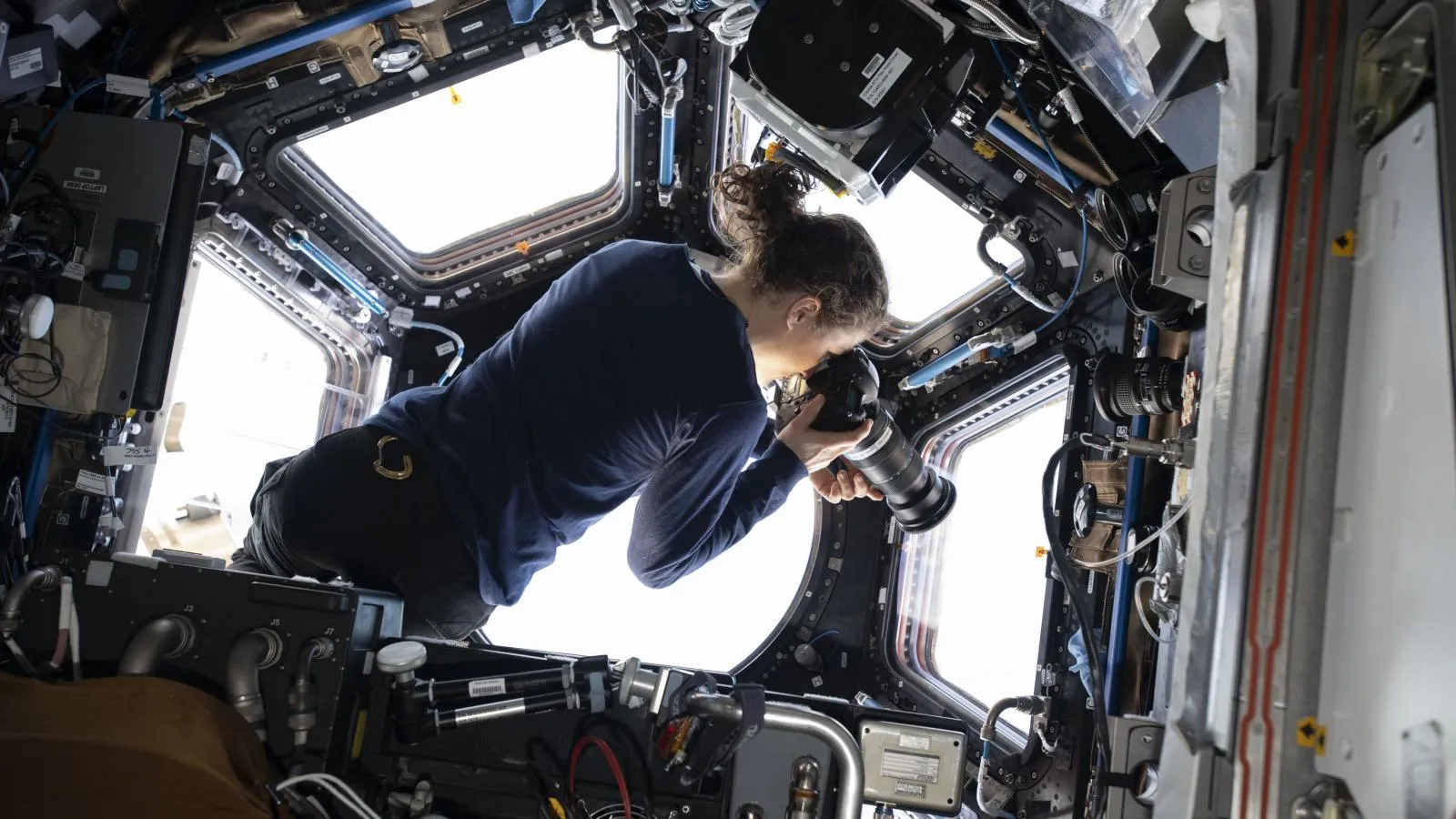
NASA, CERN Timepix Technology Advances Miniaturized Radiation Detection
As we prepare to send the first woman and next man to the Moon and on to Mars, NASA, with support from the University of Houston, has been working to develop advanced radiation detectors to better protect astronauts and vital spacecraft systems. As we prepare to send the first woman and next man to the

