
At just 16, Cal Hewitt, a student at Simon Langton Grammar School for Boys in the United Kingdom became the youngest person to receive grid certification – giving him access to huge grid-computing resources.

At just 16, Cal Hewitt, a student at Simon Langton Grammar School for Boys in the United Kingdom became the youngest person to receive grid certification – giving him access to huge grid-computing resources.
Hewitt uses these resources to help analyse data from the LUCID satellite detector, which a team of students from the school launched into space last year.
Harnessing the power of the grid will make it possible to analyse the satellite data in more complex ways.
The project came about with help from the CERN@school programme, and Medipix– an international collaboration at CERN that has developed specialist particle-detecting silicon chips.
To learn more, read an interview in The Science Node with Cal Hewitt and his teacher, Becky Parker. Parker is director of The Institute for Research in Schools.
Originally published at the CERN website.
Also On Timepix
-

Specifications
Specifications
-
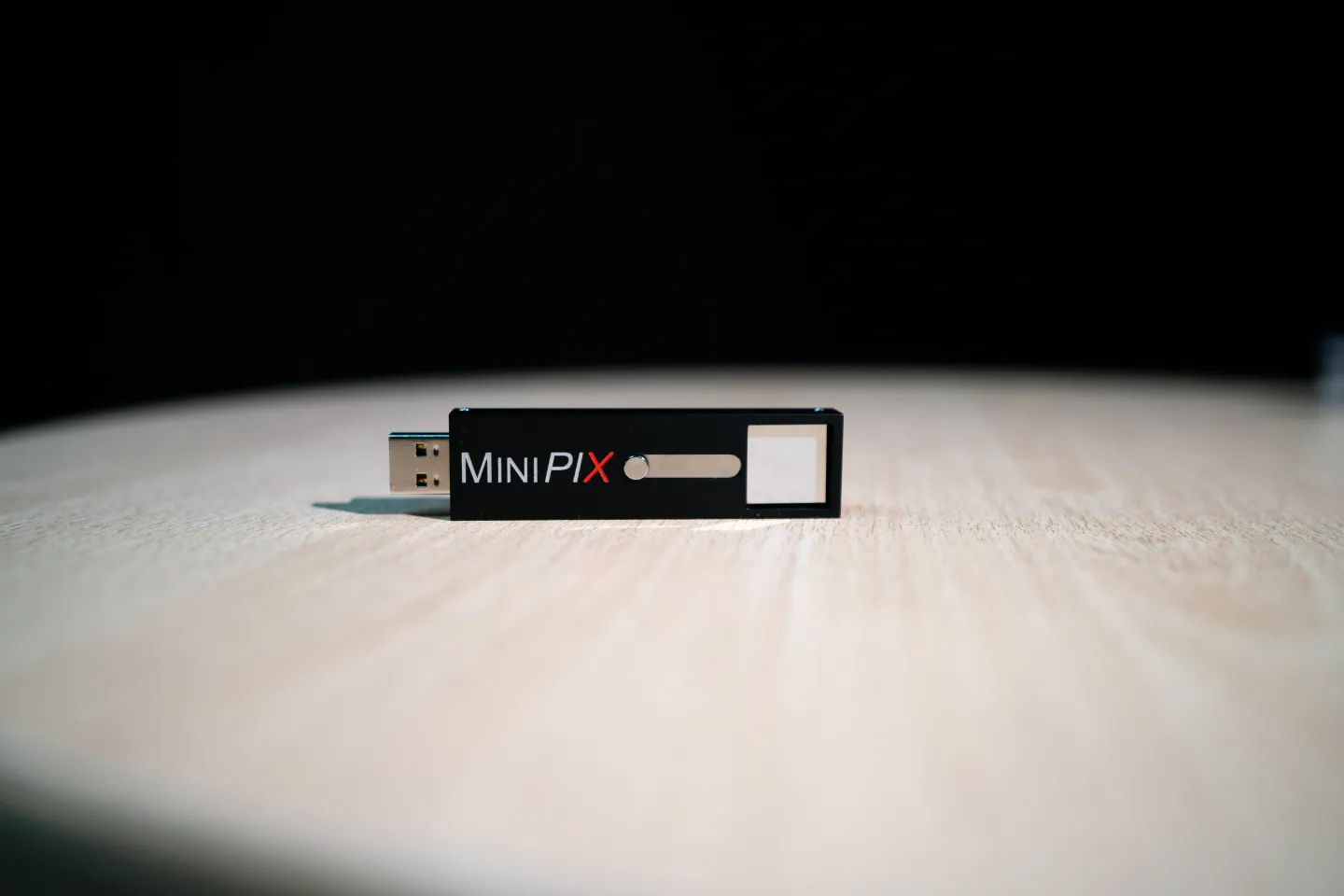
Outreach award for initiative to teach high-school physics with CERN detectors in Spain
Since their inception at CERN in the framework of the Medipix collaborations, the Medipix and Timepix families of chips have proved their worth in various technical and scientific fields, from medical imaging to astrophysics – Timepix chips are flying on the Artemis I mission this month. Yet, in parallel, these extremely compact and highly accurate…
-
Source: CERN (CDS) Timepix: from CERN’s galleries to the Moon
The renowned Timepix detector celebrates its 10-year anniversary on the International Space Station by flying to the Moon: the chip features in NASA’s future lunar programme BROKEN IMAGE NOT MOVED (drupal url : https://medipix.web.cern.ch//news/news/timepix/timepix-cerns-galleries-moon) In July 1969, just a few days after the first Moon landing, CERN’s then Director-General, Bernard Gregory, sent the following message…
-
Specifications
Specifications
-
Features and Applications
Features and Applications Features: Applications:
-
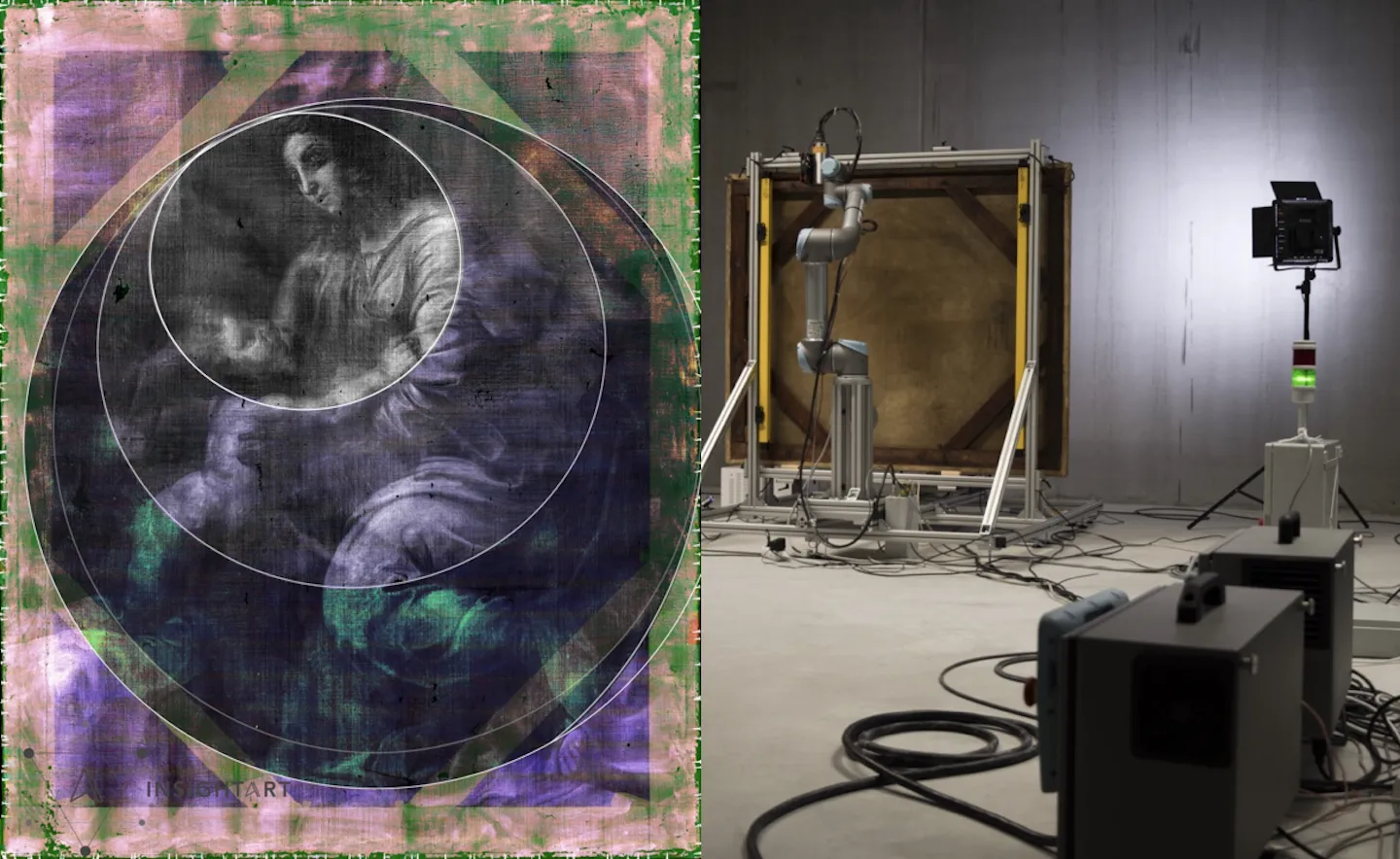
CERN technology helps rediscover lost painting by Raphael
CERN’s Timepix particle detectors, developed by the Medipix2 Collaboration, help unravel the secret of a long-lost painting by the great Renaissance master, Raphael 500 years ago, the Italian painter Raphael passed away, leaving behind him many works of art, paintings, frescoes and engravings. Like his contemporaries Michelangelo and Leonardo da Vinci, Raphael’s work made the…
-
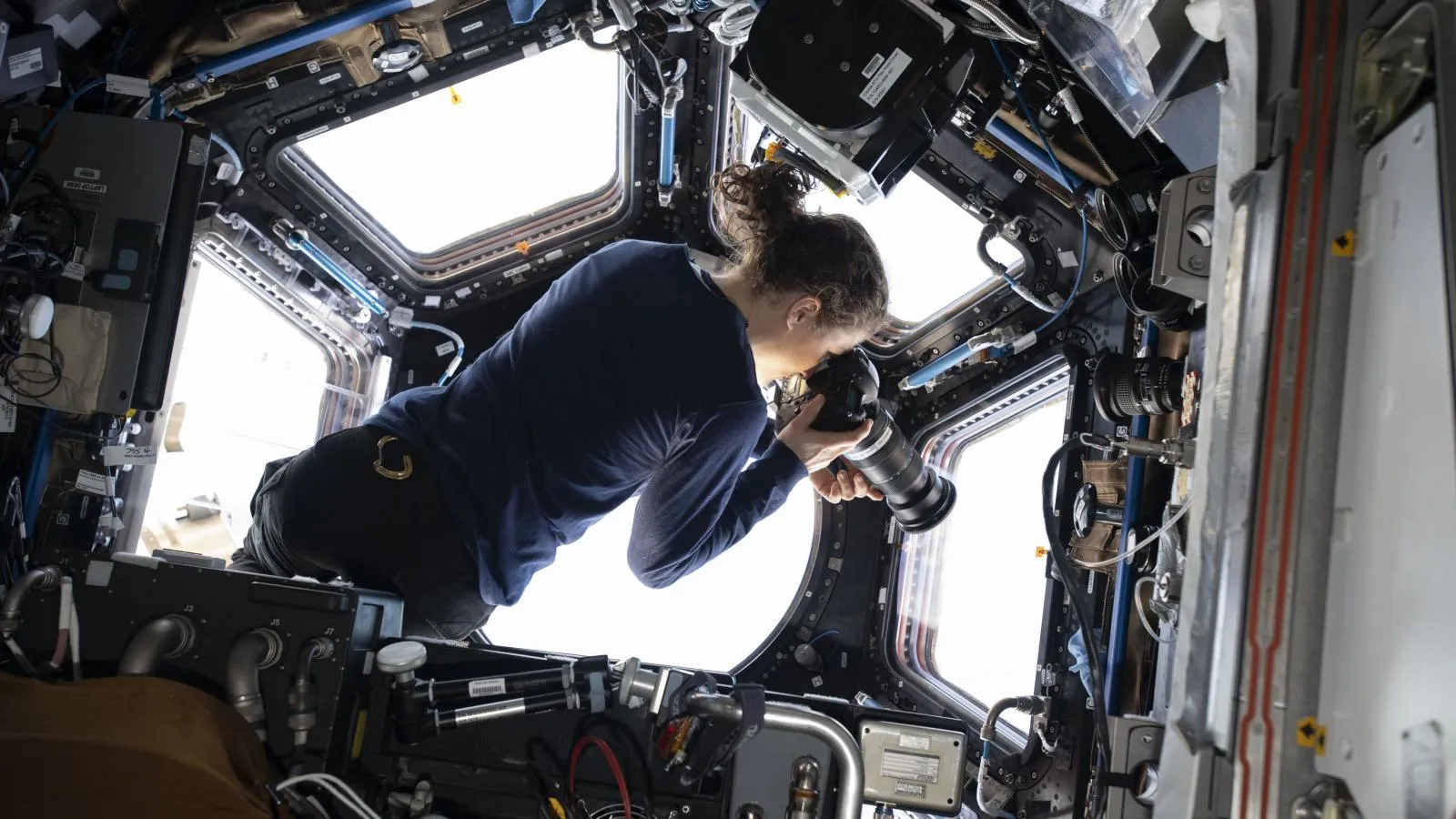
NASA, CERN Timepix Technology Advances Miniaturized Radiation Detection
As we prepare to send the first woman and next man to the Moon and on to Mars, NASA, with support from the University of Houston, has been working to develop advanced radiation detectors to better protect astronauts and vital spacecraft systems. As we prepare to send the first woman and next man to the…
-
Amsterdam Scientific Instruments (ASI): Timepix3 licence
Amsterdam Scientific Instruments (ASI) has acquired a license from CERN for the TIMEPIX3 technology, a core component for ASI’s next generation hybrid pixel cameras. Amsterdam Scientific Instruments (ASI) has acquired a license from CERN for the TIMEPIX3 technology, a core component for ASI’s next generation hybrid pixel cameras. With the newly obtained license the company…
-

ADVACAM: Timepix3 licence
CERN as an authorized licensor of Medipix3 collaboration and ADVACAM s.r.o. have signed a Timepix3 license agreement. Timepix3 chip (TPX3) is the next generation of X-ray and radiation imaging technology. CERN as an authorized licensor of Medipix3 collaboration and ADVACAM s.r.o. have signed a Timepix3 license agreement. Timepix3 chip (TPX3) is the next generation of…
-
Schoolboy uses grid computing to analyse satellite data
At just 16, Cal Hewitt, a student at Simon Langton Grammar School for Boys in the United Kingdom became the youngest person to receive grid certification – giving him access to huge grid-computing resources. At just 16, Cal Hewitt, a student at Simon Langton Grammar School for Boys in the United Kingdom became the youngest…
