
Category: News Page
-
Amsterdam Scientific Instruments (ASI): Timepix3 licence
Amsterdam Scientific Instruments (ASI) has acquired a license from CERN for the TIMEPIX3 technology, a core component for ASI’s next generation hybrid pixel cameras. Amsterdam Scientific Instruments (ASI) has acquired a license from CERN for the TIMEPIX3 technology, a core component for ASI’s next generation hybrid pixel cameras. With the newly obtained license the company…
-
ADVACAM: Timepix3 licence
CERN as an authorized licensor of Medipix3 collaboration and ADVACAM s.r.o. have signed a Timepix3 license agreement. Timepix3 chip (TPX3) is the next generation of X-ray and radiation imaging technology. CERN as an authorized licensor of Medipix3 collaboration and ADVACAM s.r.o. have signed a Timepix3 license agreement. Timepix3 chip (TPX3) is the next generation of…
-

2017 High Energy Physics Prize awarded to Erik Heijne, Robert Klanner and Gerhard Lutz
Erik initiated hybrid pixel detector development at CERN and was a founding member of the first Medipix Collaboration. The 2017 High Energy Physics Prize was awarded to Erik H.M Heijne, Robert Klanner and Gerhard Lutz for their pioneering contributions to the development of microstrip detectors that revolutionised high-precision tracking and vertexing in high energy physics…
-
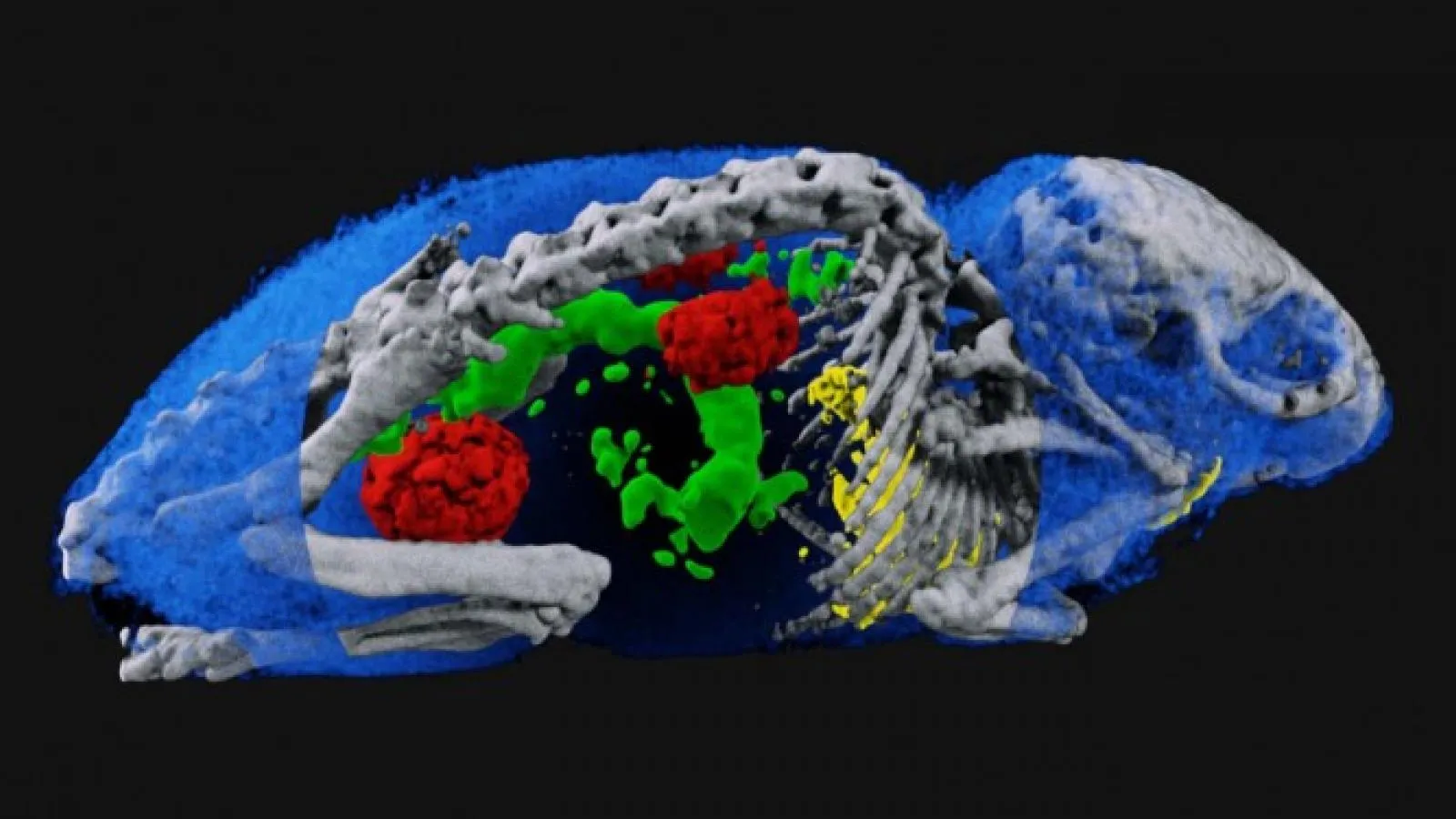
Spectral imaging: from CERN to medical technologies
Ever since Röntgen discovered x-rays in 1895, physics and medicine have gone hand in hand, and advances made to particle detectors at CERN and elsewhere have continuously fuelled new developments in medical imaging. Ever since Röntgen discovered x-rays in 1895, physics and medicine have gone hand in hand, and advances made to particle detectors at…
-

Schoolboy uses grid computing to analyse satellite data
At just 16, Cal Hewitt, a student at Simon Langton Grammar School for Boys in the United Kingdom became the youngest person to receive grid certification – giving him access to huge grid-computing resources. At just 16, Cal Hewitt, a student at Simon Langton Grammar School for Boys in the United Kingdom became the youngest…
-
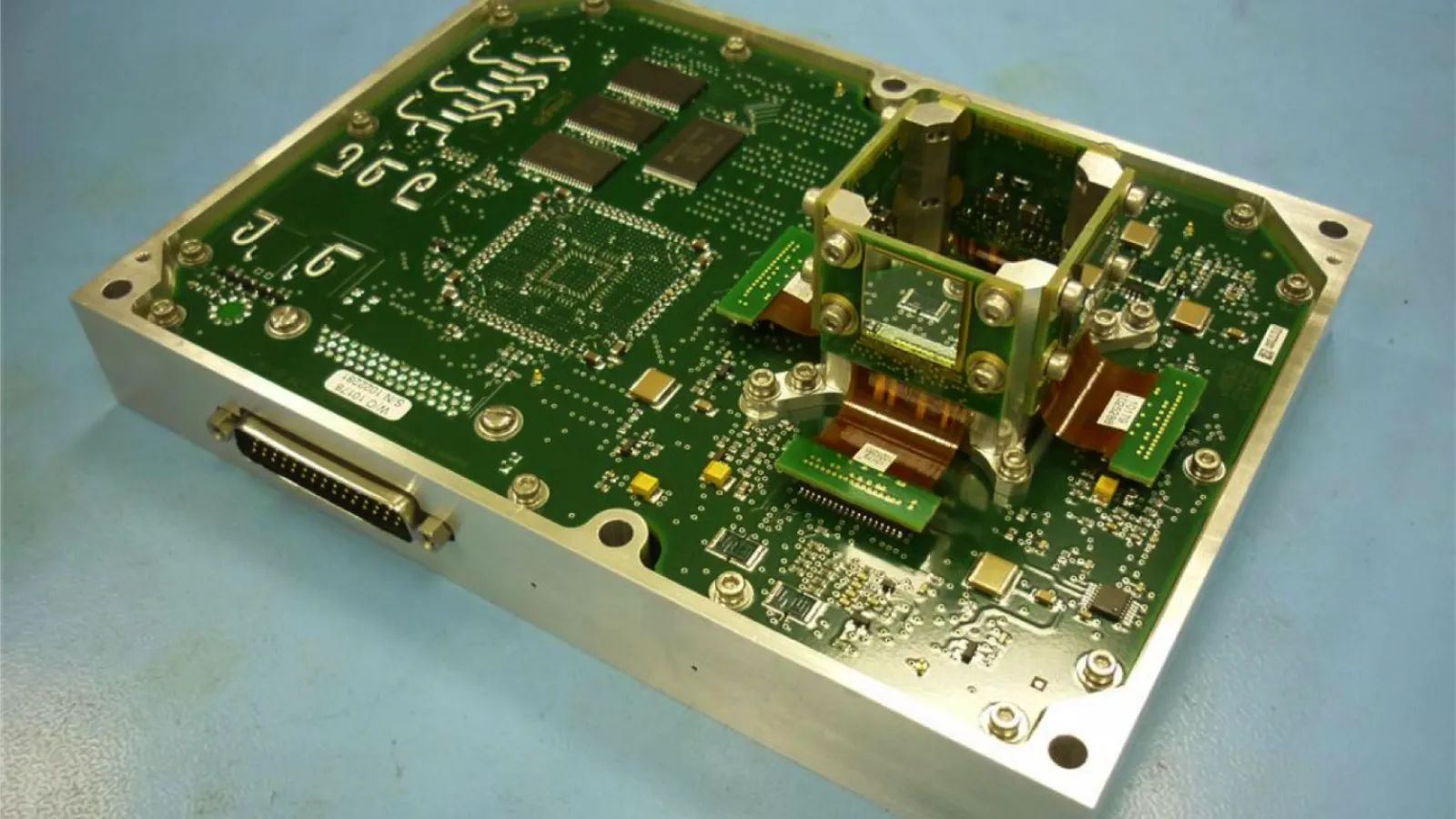
First results from cosmic-ray detector designed by students
The first results from the Langton Ultimate Cosmic ray Intensity Detector (LUCID) have been presented at the 2015 UK National Astronomy Meeting. The first results from the Langton Ultimate Cosmic ray Intensity Detector (LUCID) have been presented at the 2015 UK National Astronomy Meeting. Students from the Simon Langton Grammar School, UK, devised this satellite…
-
Particle detectors for the classroom
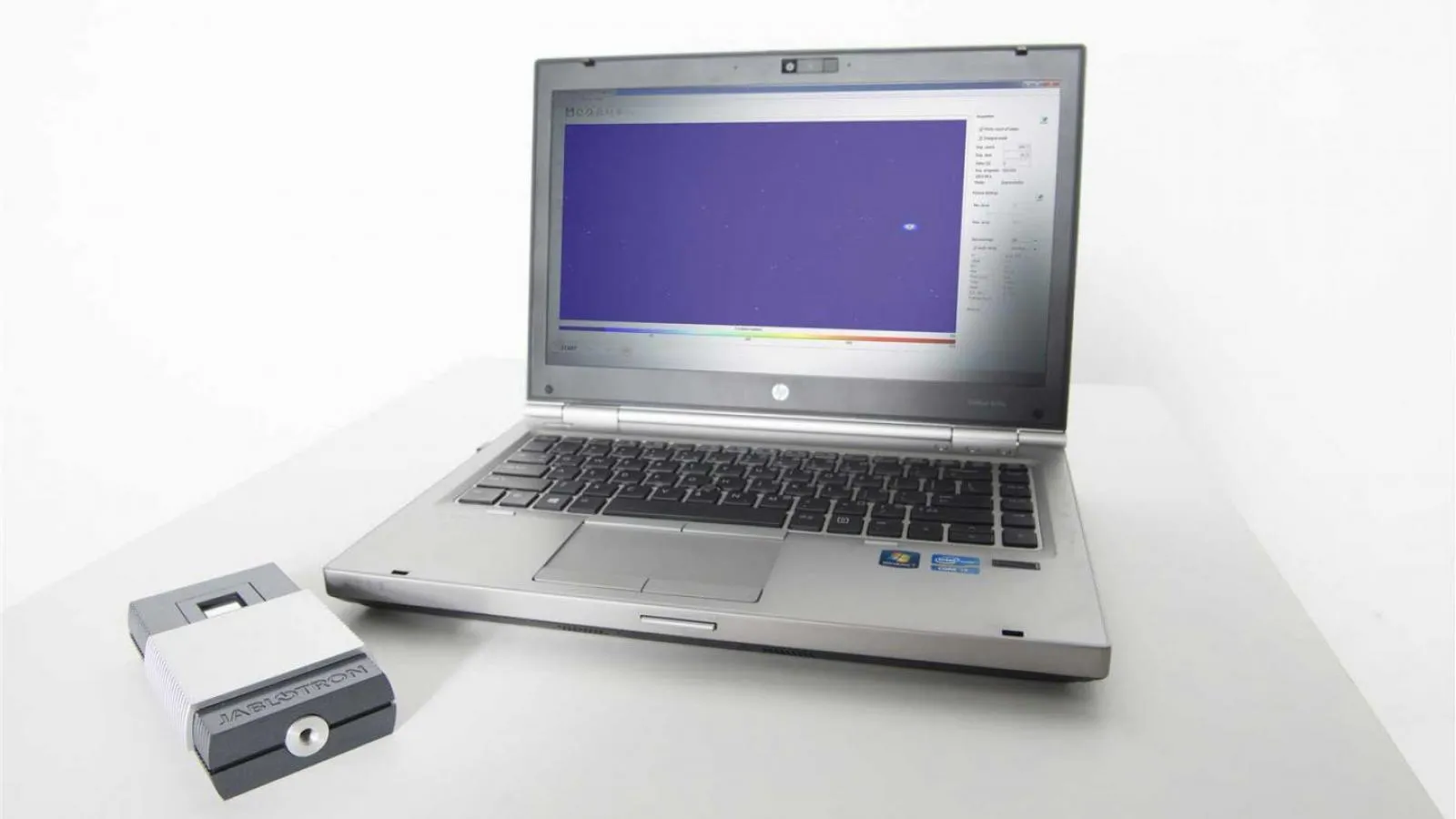
Physics teacher Becky Parker of the Physics Simon Langton Grammar School in the UK keeps particle detectors in her classroom. Physics teacher Becky Parker of the Physics Simon Langton Grammar School in the UK keeps particle detectors in her classroom. For years, her students have been using Medipix detector – silicon-pixel particle detectors that fit…
-
Timepix detectors track cosmic radiation on the ISS
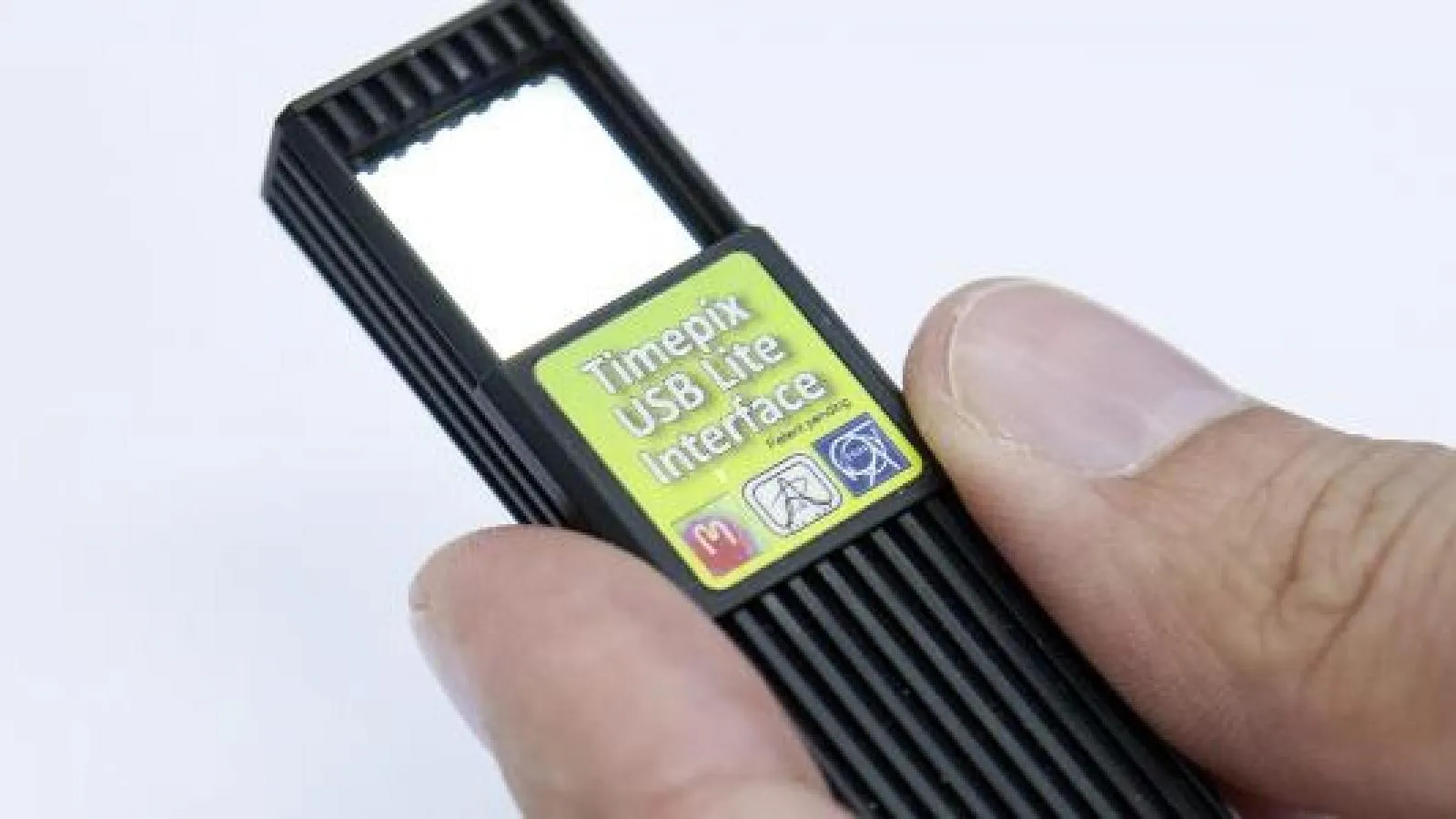
Timepix detectors are USB-powered particle trackers based on Medipix technology developed at CERN. Timepix detectors are USB-powered particle trackers based on Medipix technology developed at CERN. Each detector consists of the Medipix chip coupled to a silicon sensor and incorporated into a readout system about the size of a USB pen drive, developed at the…
-
Medipix: From particles to patients
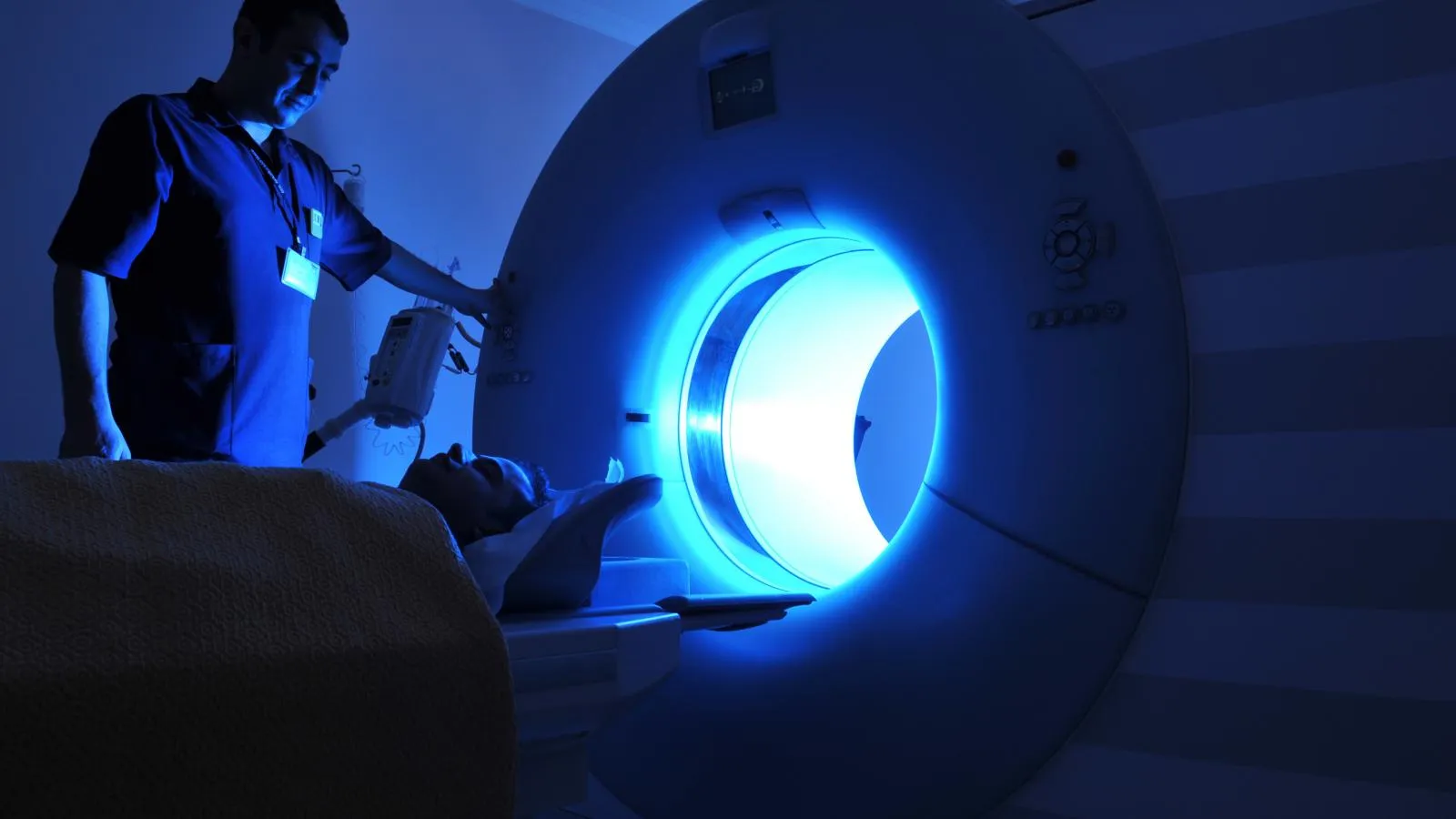
In the 1990s, researchers on the Large Hadron Collider were assembling the last pieces of detector electronics, designed to capture high-resolution images of particle collisions quickly and with no background noise. In the 1990s, researchers on the Large Hadron Collider were assembling the last pieces of detector electronics, designed to capture high-resolution images of particle…