
In the 1990s, researchers on the Large Hadron Collider were assembling the last pieces of detector electronics, designed to capture high-resolution images of particle collisions quickly and with no background noise.
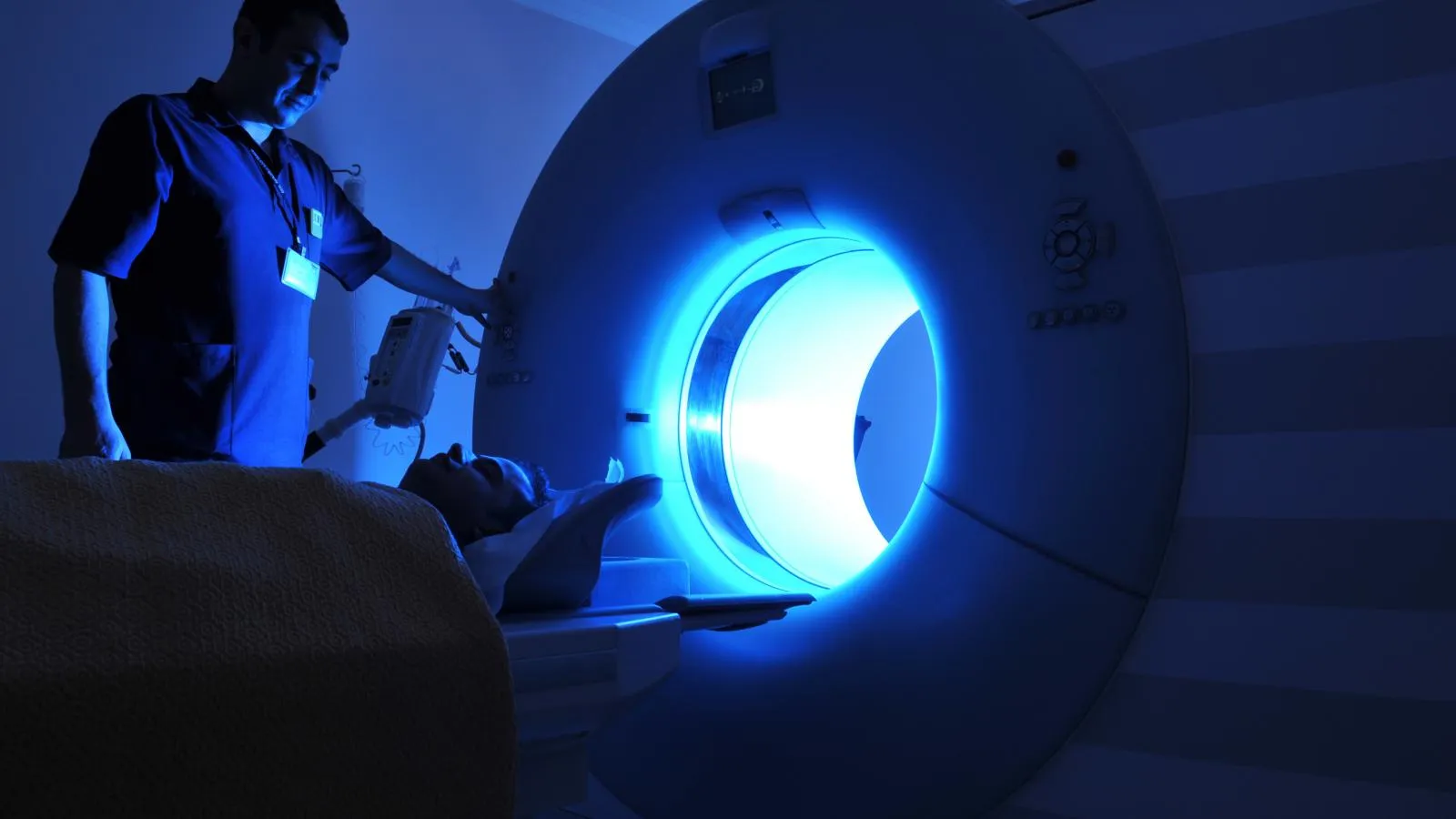
In the 1990s, researchers on the Large Hadron Collider were assembling the last pieces of detector electronics, designed to capture high-resolution images of particle collisions quickly and with no background noise.
CERN researchers, led by Michael Campbell, were quick to realise that this technology could be used in other imaging applications. Campbell and his colleagues conceived the Medipix project to bring high-quality imaging technology to research communities beyond high-energy physics. In collaboration with institutes around the world, the Medipix team redesigned the chip used in the LHC and produced the Medipix chip. The chip consists of an integrated circuit connected to a sensitive element, which together form a small particle detector. Both the sensors and the microchips are divided into tiny sensitive elements (pixels) – similar to those in a digital camera – that detect individual photons.
Today, the Medipix collaboration has 17 member institutes. Over the years the team has produced the Medipix1 chip, the Medipix2 chip, with improved resolution; Timepix, a modified version of Medipix2 with the additional functionality of time measurements; and Medipix3, which not only counts photons but also determines their energy levels.
The Medipix chip has seen many practical applications. As the name implies, medical imaging is one of the most important. Radiography and computer tomography (CT) use X-ray photons to study the human body. The Medipix chip, with its single-photon counting technique, is well suited to these fields. To date, it has been used in X-ray CT, in prototype systems for digital mammography, in CT images for mammography and in beta and gamma autoradiography of biological samples.
The Medipix project has improved hybrid-pixel technology to the point that the chip is being used to develop future systems within high-energy physics. The Medipix design team is currently working on using Timepix as a prototype to upgrade the detector for LHCb (one of the LHC experiments).
The path of technology transfer is often circular. The dissemination of a technology stimulates advancement which in turn nourishes the initial technology.
Other fields of applications include electron microscopy, background radiation monitoring, dosimetry and education.
The educational potential of the portable and user-friendly Medipix chip and its accompanying USB readout system was quickly recognized by Becky Parker, a teacher from the Simon Langton Grammer School in Kent, UK. Parker’s students developed a space-based cosmic ray detector(link is external) using the Timepix chip, which won a science competition run by the British National Space Centre and is set to launch on a satellite in 2012.
Also On Medipix
-

Specifications
Specifications
-
Features and Applications
Features and Applications Features: Applications:
-
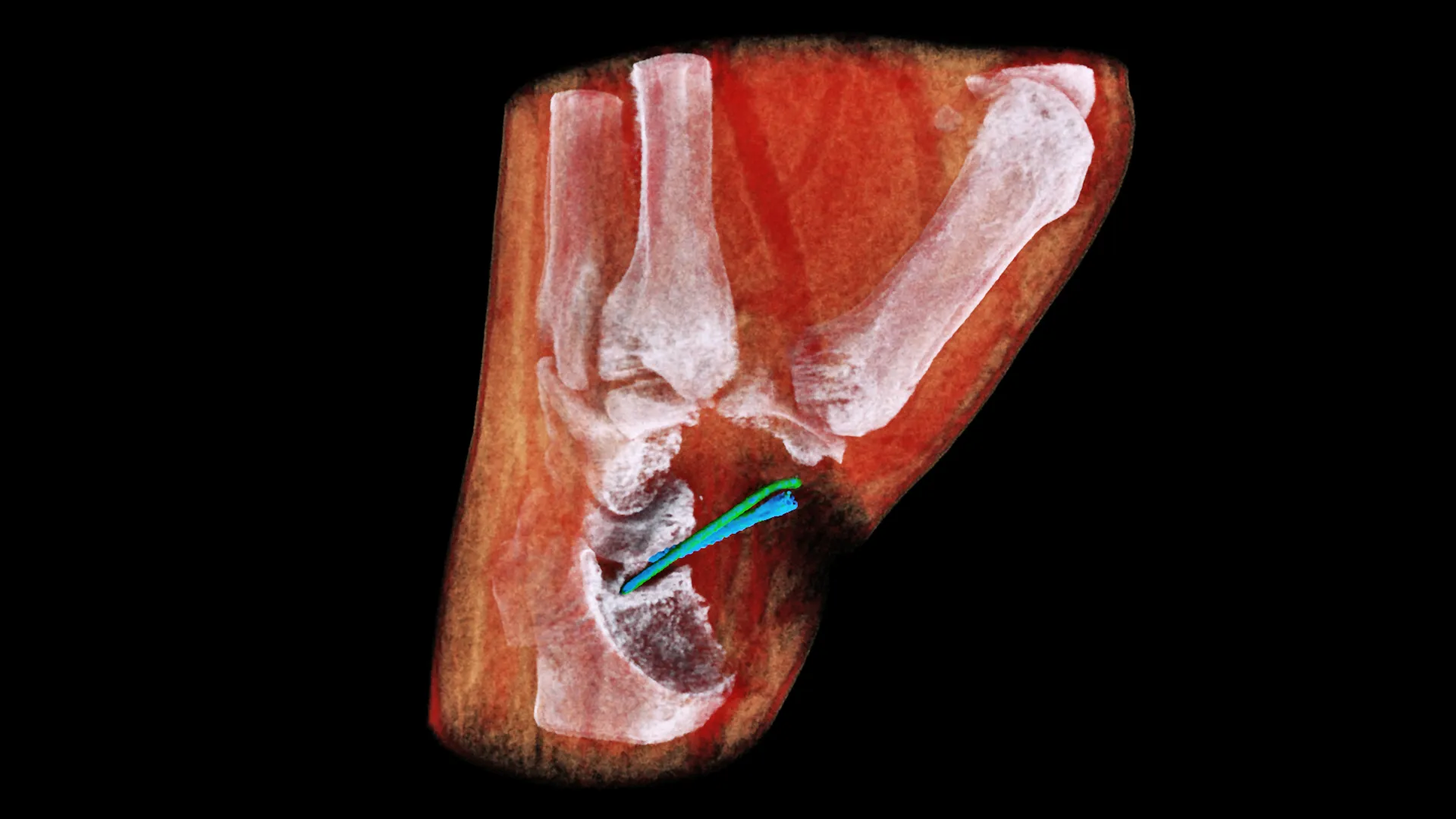
New 3D colour X-rays made possible with CERN technology
Stunning new images pave the way to large-scale human trials, two years on from the first ever 3D colour human X-ray using CERN Medipix3 technology Two years after the first ever 3D colour X-ray of a living human, MARS Bioimaging have released stunning new images made using a world-first compact scanner, based on Medipix3 technology…
-
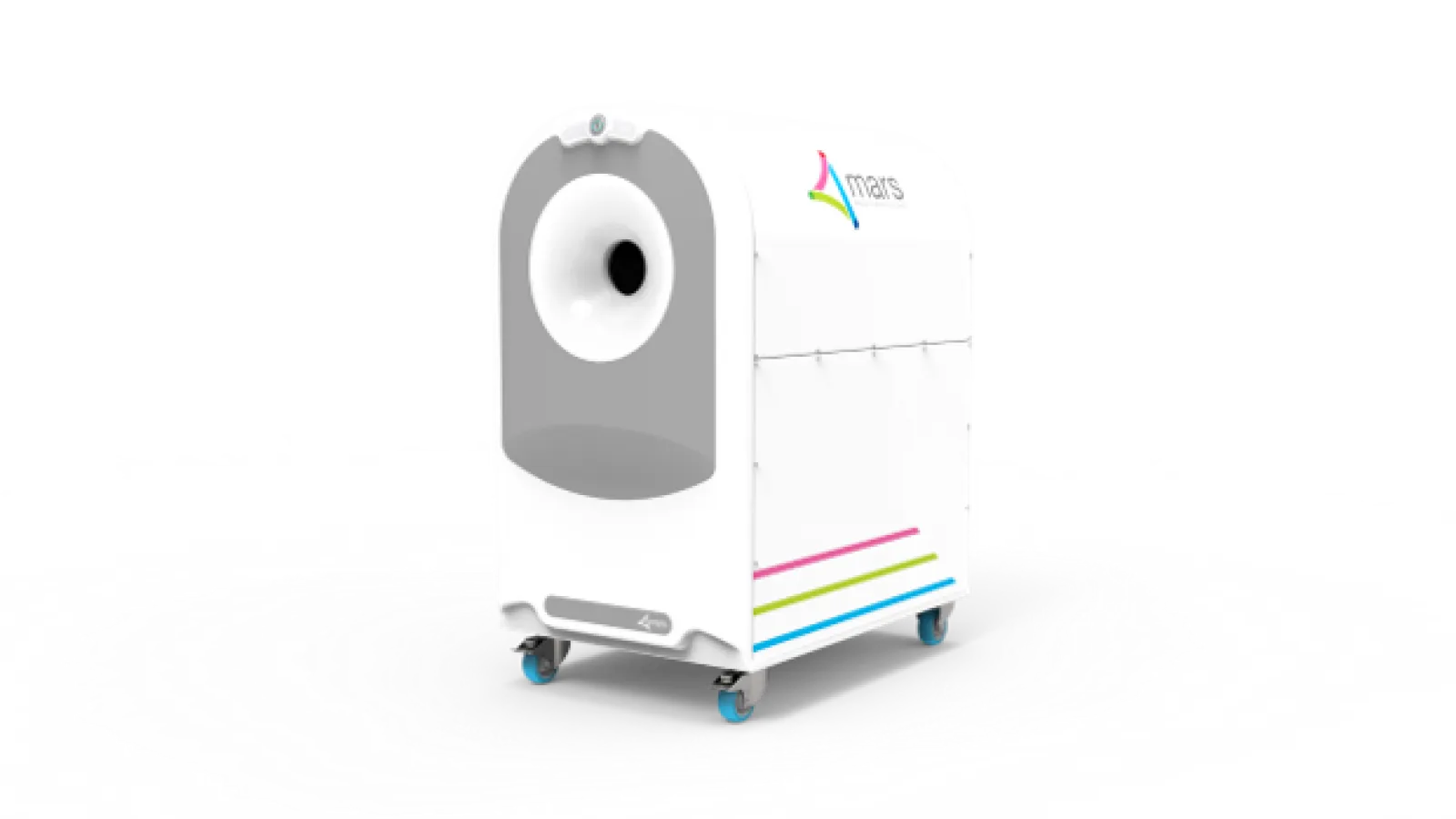
MARS Bioimaging is seeking partners to better enable drug development and therapy monitoring for COVID-19
The current standard for definitive diagnosis of COVID-19 is the real-time reverse transcriptase-polymerase chain reaction (RT-PCR). Background The current standard for definitive diagnosis of COVID-19 is the real-time reverse transcriptase-polymerase chain reaction (RT-PCR). While this is a highly sensitive and specific test for COVID-19, it does not measure the severity nor progress of the associated…
-
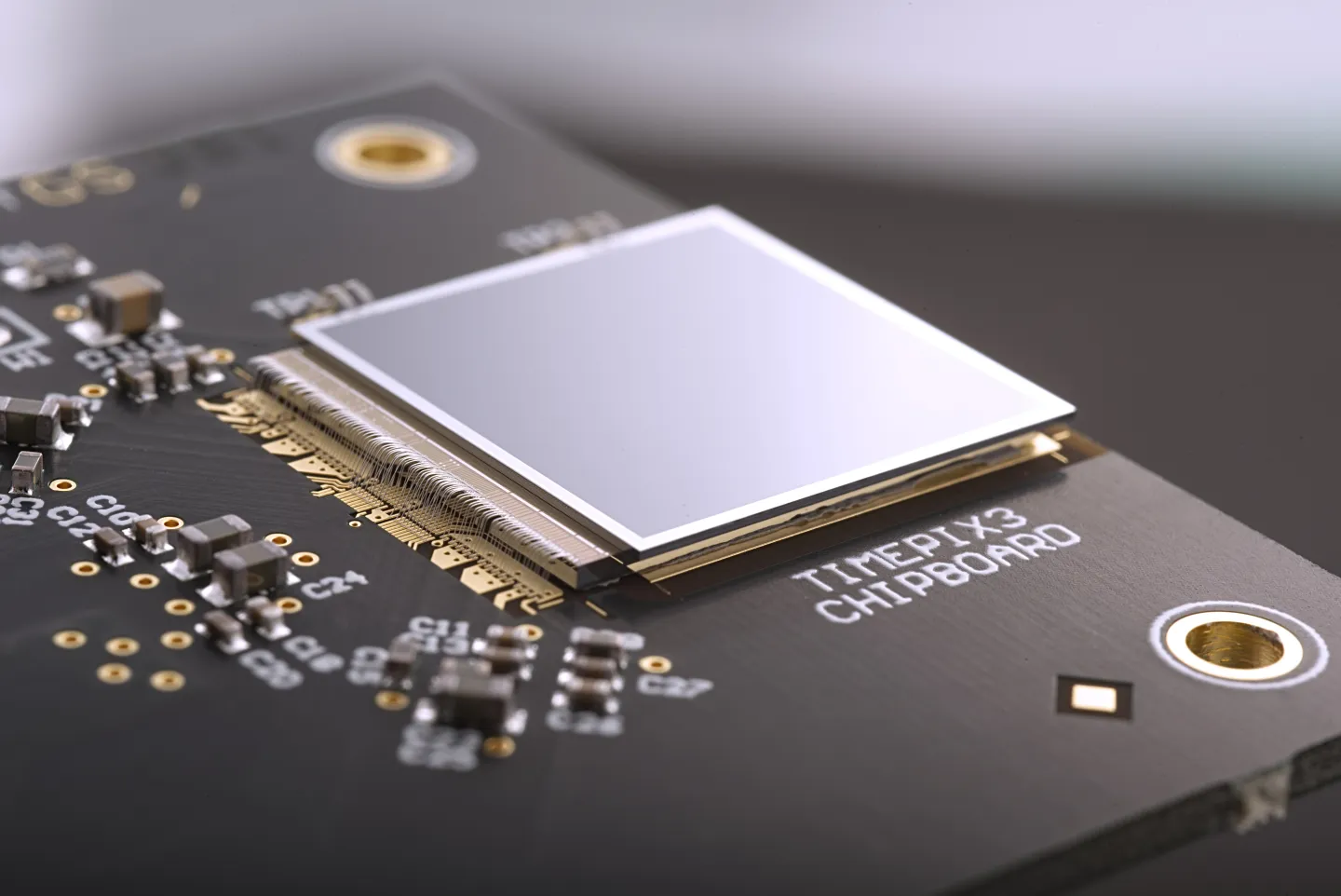
Medipix: Two decades of turning technology into applications
The story of how detector components ended up in medical imaging, in art restoration and even in space. How could microchips developed for detectors at the Large Hadron Collider (LHC) be used beyond high-energy physics? This was a question that led to the Medipix and Timepix families of pixel-sensor chips. Researchers saw many possible applications…
-
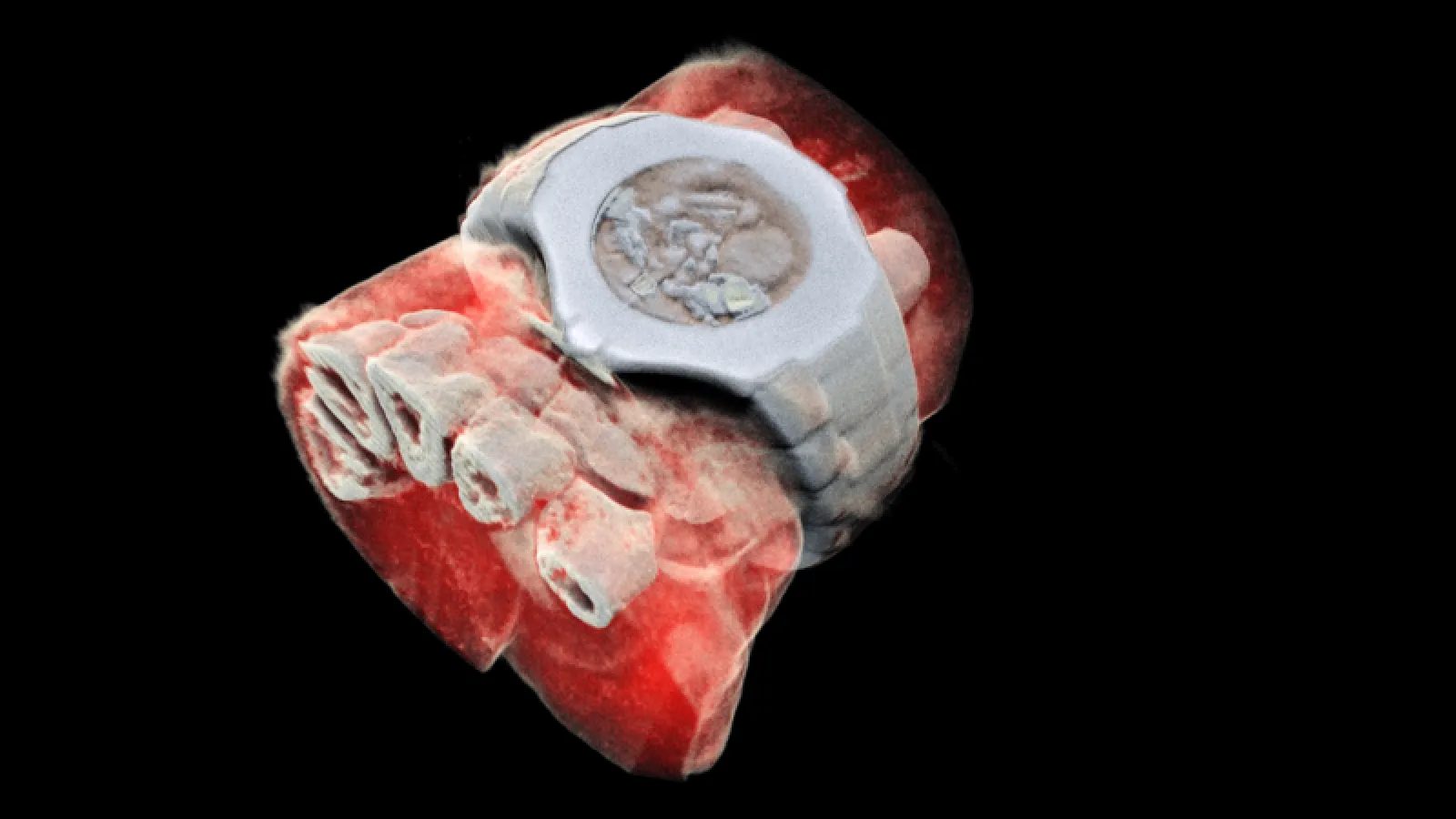
First 3D colour X-ray of a human using CERN technology
First human scanned with next–generation 3D colour scanner using CERN technology What if, instead of a black and white X-ray picture, a doctor of a cancer patient had access to colour images identifying the tissues being scanned? This colour X-ray imaging technique could produce clearer and more accurate pictures and help doctors give their patients…
-
How to spot a perfect fake: the world’s top art forgery detective
BBC on Fake Art – InsightART in the report! BBC on Fake Art – InsightART in the report! In: BBC News, May 12th Also On Medipix
-
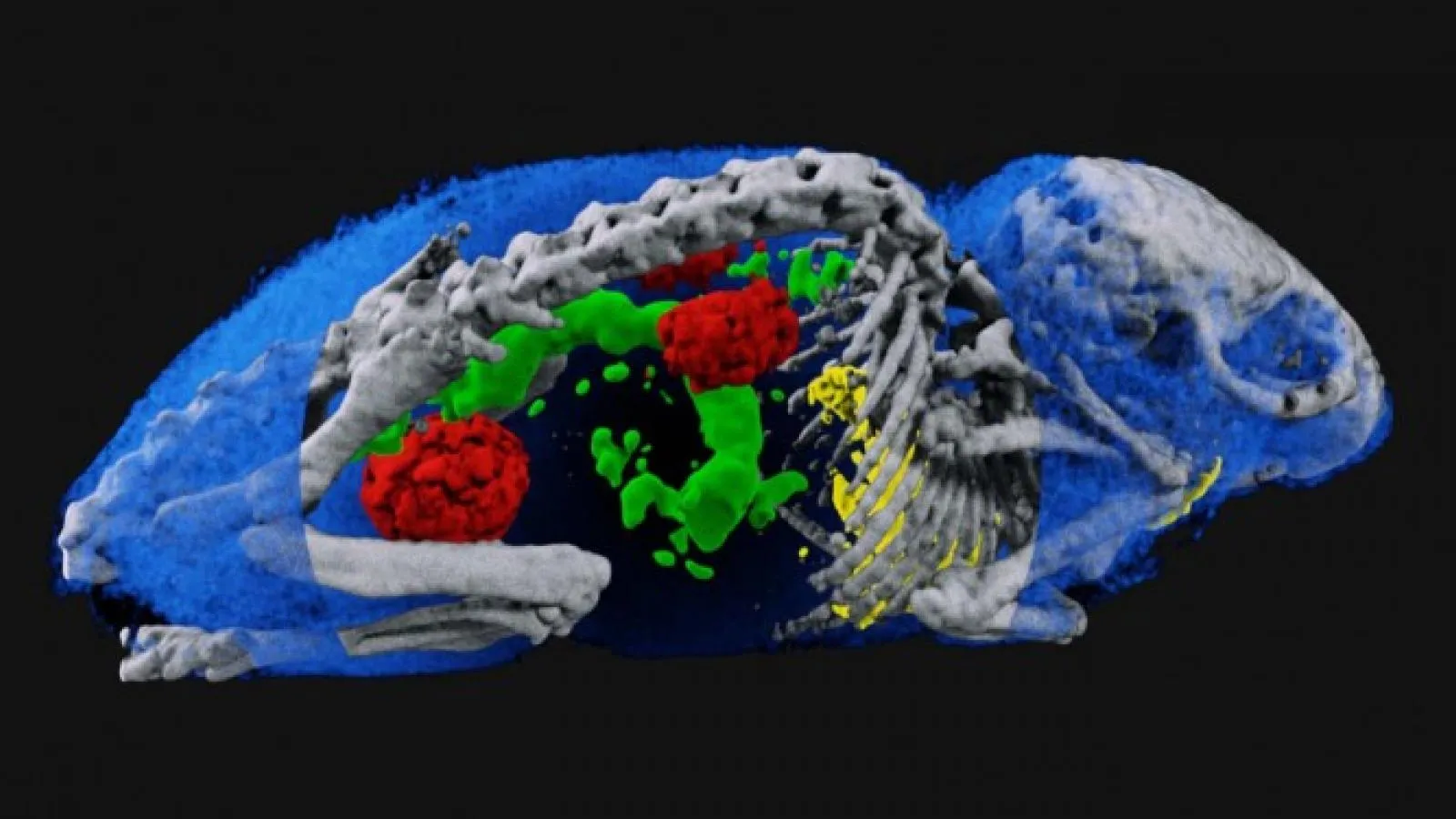
Spectral imaging: from CERN to medical technologies
Ever since Röntgen discovered x-rays in 1895, physics and medicine have gone hand in hand, and advances made to particle detectors at CERN and elsewhere have continuously fuelled new developments in medical imaging. Ever since Röntgen discovered x-rays in 1895, physics and medicine have gone hand in hand, and advances made to particle detectors at…
-
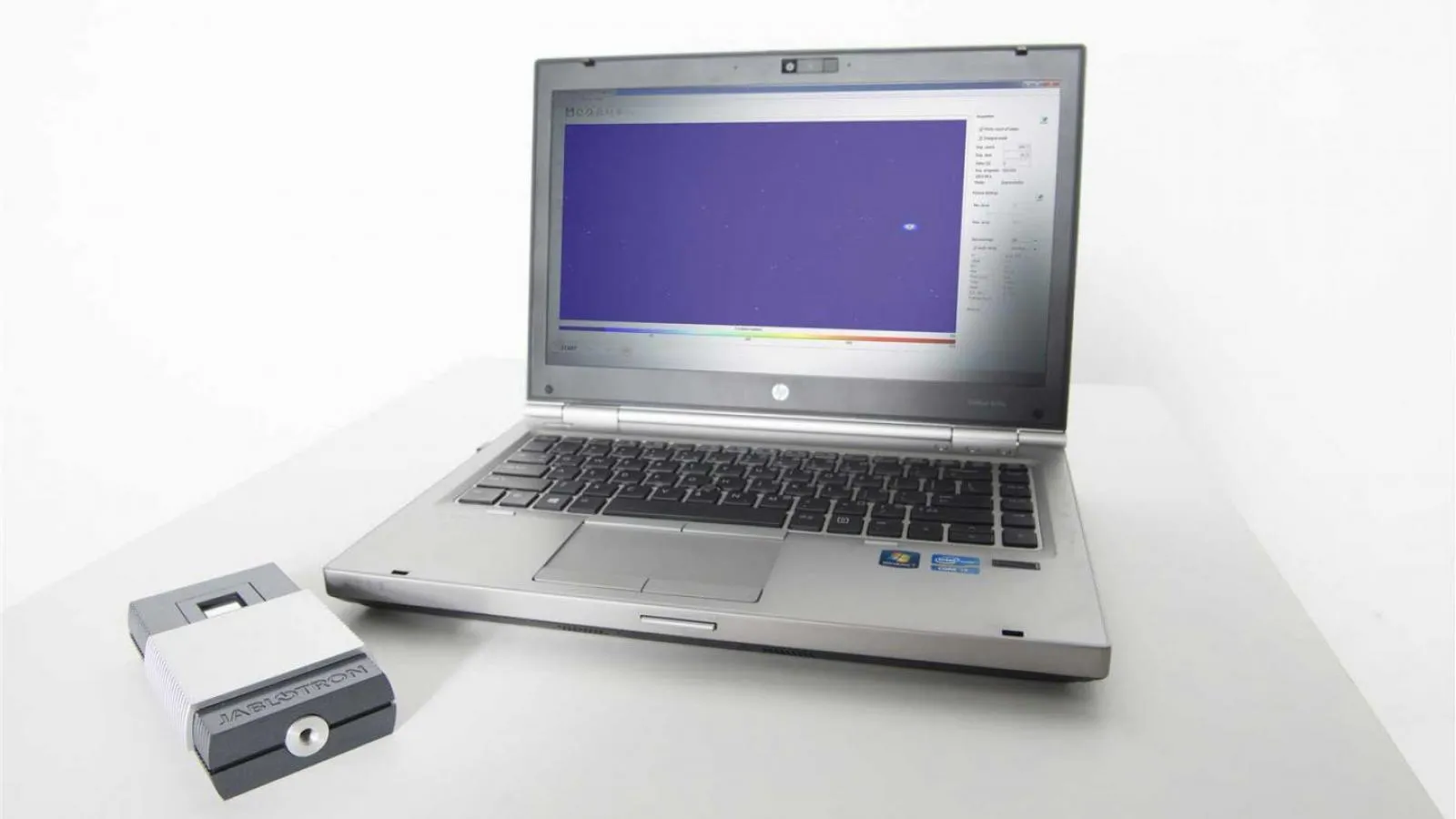
Particle detectors for the classroom
Physics teacher Becky Parker of the Physics Simon Langton Grammar School in the UK keeps particle detectors in her classroom. Physics teacher Becky Parker of the Physics Simon Langton Grammar School in the UK keeps particle detectors in her classroom. For years, her students have been using Medipix detector – silicon-pixel particle detectors that fit…
-
Medipix: From particles to patients
In the 1990s, researchers on the Large Hadron Collider were assembling the last pieces of detector electronics, designed to capture high-resolution images of particle collisions quickly and with no background noise. In the 1990s, researchers on the Large Hadron Collider were assembling the last pieces of detector electronics, designed to capture high-resolution images of particle…