
Timepix detectors are USB-powered particle trackers based on Medipix technology developed at CERN.
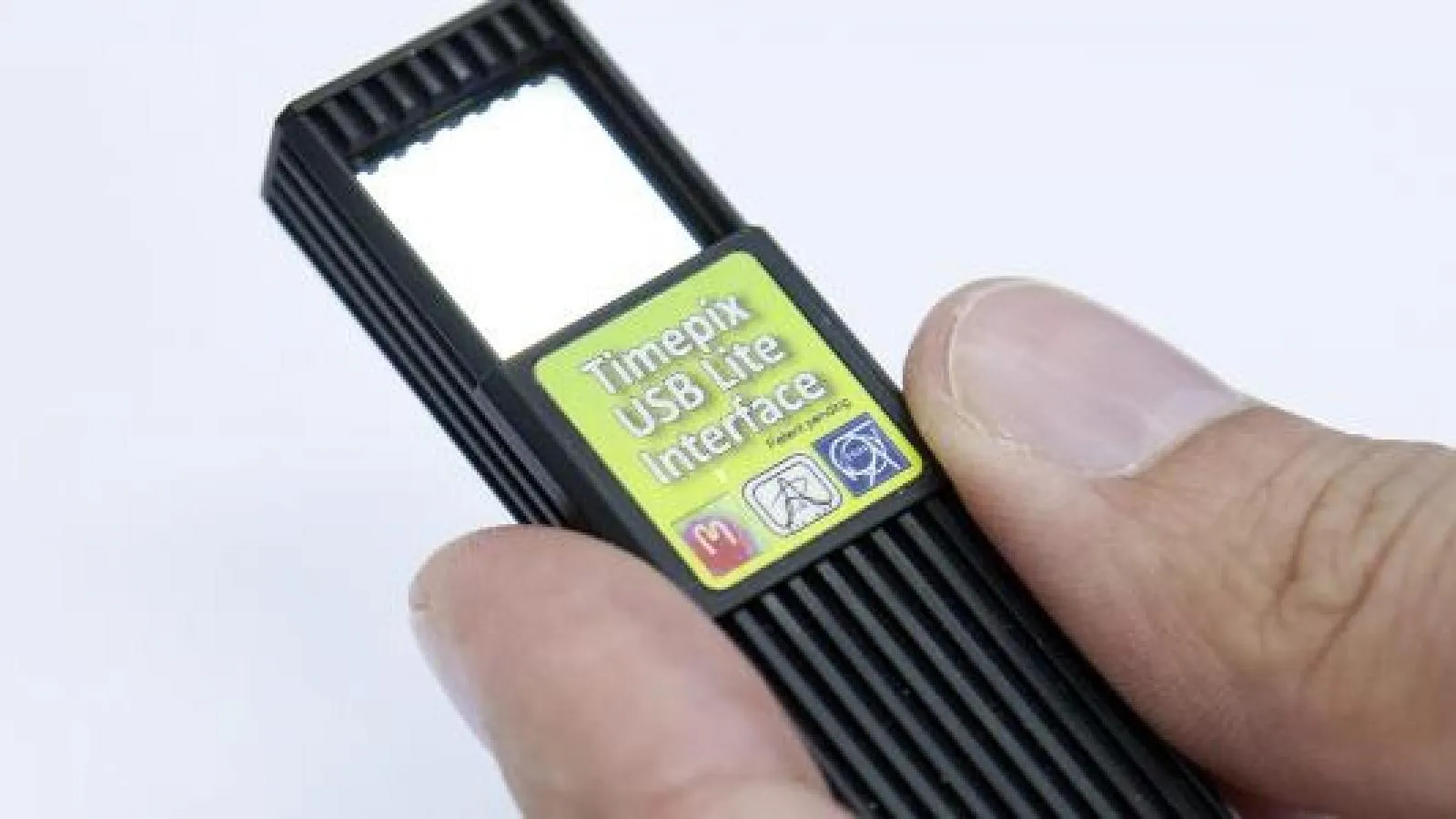
Timepix detectors are USB-powered particle trackers based on Medipix technology developed at CERN. Each detector consists of the Medipix chip coupled to a silicon sensor and incorporated into a readout system about the size of a USB pen drive, developed at the Institute of Experimental and Applied Physics (IEAP) in Prague, Czech Republic.
The detectors have been used in a variety of disciplines from the study of cosmic rays to biomedical imaging. Now NASA is using them on board the ISS to accurately monitor radiation doses in space.
“There’s nothing else in the world that has quite the capability of Timepix detectors to identify individual particle tracks,” says Lawrence Pinsky, a Medipix2 Collaboration member who drove the push to get Timepix detectors into space. “The ISS Timepix detectors will gather data to characterize the radiation field as a function of time, taking precise measurements of the spectrum of charge and velocity of particles present inside the spacecraft.”
Heavy-ion radiation is one of the many radiation types the ISS detectors will measure. Heavy ions occur naturally only in space, although they are produced artificially on Earth in accelerators and cancer-treatment facilities. While the effects of acute exposure to heavy-ion radiation –that is, exposure to heavy doses over very short periods of time – are relatively well understood, the effect of chronic exposure remains unclear.
“We know that heavy ions – the bare nuclei rattling around in space – are hugely more effective at causing long-term health risks per unit of energy,” says Pinsky. “But assessing the full extent of these risks is difficult. Studies have been conducted at heavy-ion treatment facilities using cell cultures, but they are historically unreliable when transferred to implications for humans.”
The ISS Timepix detectors will measure baseline characteristics of heavy-ion radiation, to help radiation experts understand the nature of the exposure to astronauts, as well as the potential long-term side effects of heavy-ion cancer therapy.
NASA has already approved Timepix detectors to fly on the first test flight of the Orion module – part of the next generation of manned US spacecraft. Launch is scheduled for 2014, giving the Medipix3 Collaboration the chance to improve their detectors even further. “This first trip to the ISS is an opportunity for us to get some real experience using the detectors in space, which will drive the development of the next generation of Timepix,” says Pinsky.
Originally published at the CERN website.
Also On Timepix
-

Specifications
Specifications
-
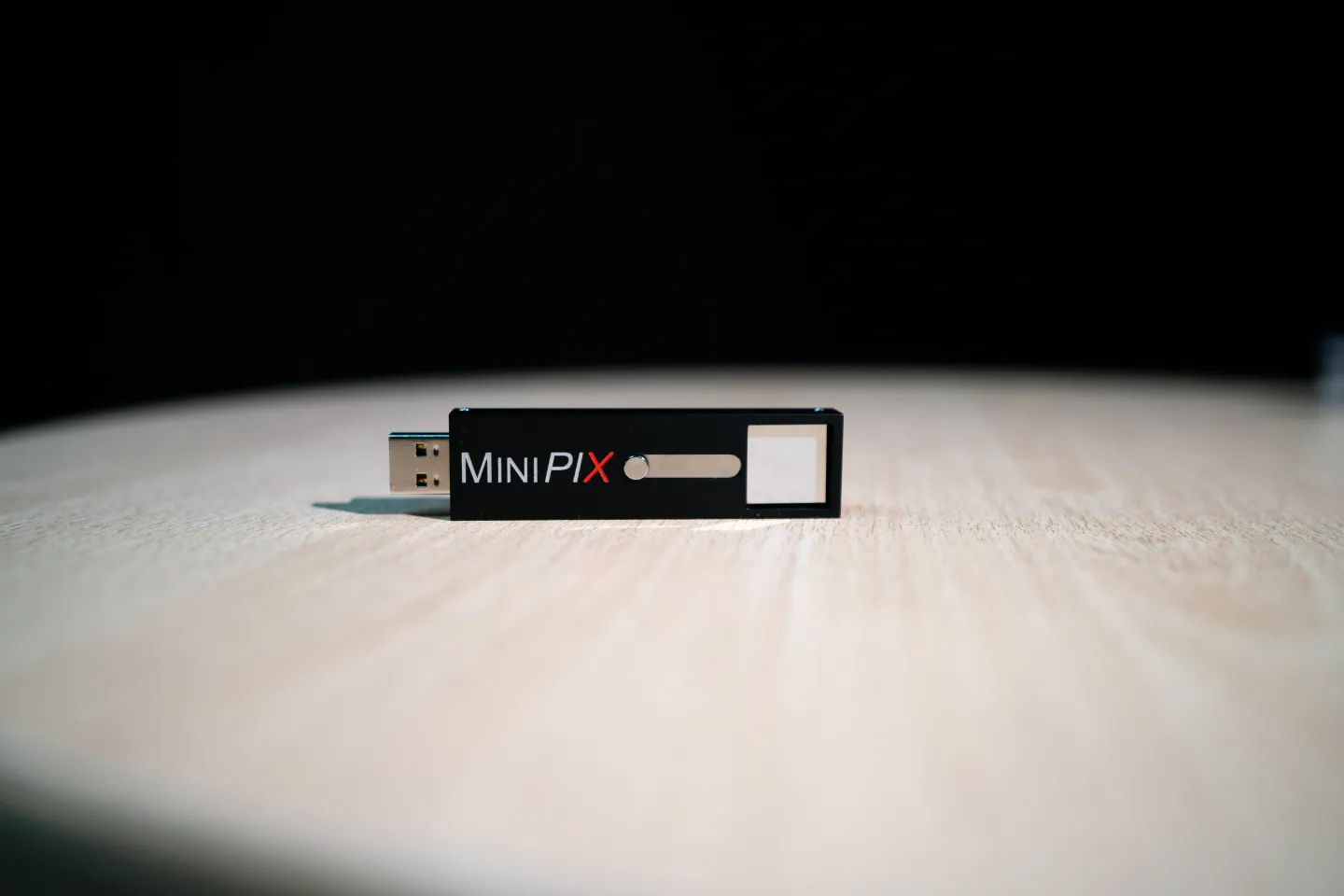
Outreach award for initiative to teach high-school physics with CERN detectors in Spain
Since their inception at CERN in the framework of the Medipix collaborations, the Medipix and Timepix families of chips have proved their worth in various technical and scientific fields, from medical imaging to astrophysics – Timepix chips are flying on the Artemis I mission this month. Yet, in parallel, these extremely compact and highly accurate…
-
Source: CERN (CDS) Timepix: from CERN’s galleries to the Moon
The renowned Timepix detector celebrates its 10-year anniversary on the International Space Station by flying to the Moon: the chip features in NASA’s future lunar programme BROKEN IMAGE NOT MOVED (drupal url : https://medipix.web.cern.ch//news/news/timepix/timepix-cerns-galleries-moon) In July 1969, just a few days after the first Moon landing, CERN’s then Director-General, Bernard Gregory, sent the following message…
-
Specifications
Specifications
-
Features and Applications
Features and Applications Features: Applications:
-
CERN technology helps rediscover lost painting by Raphael
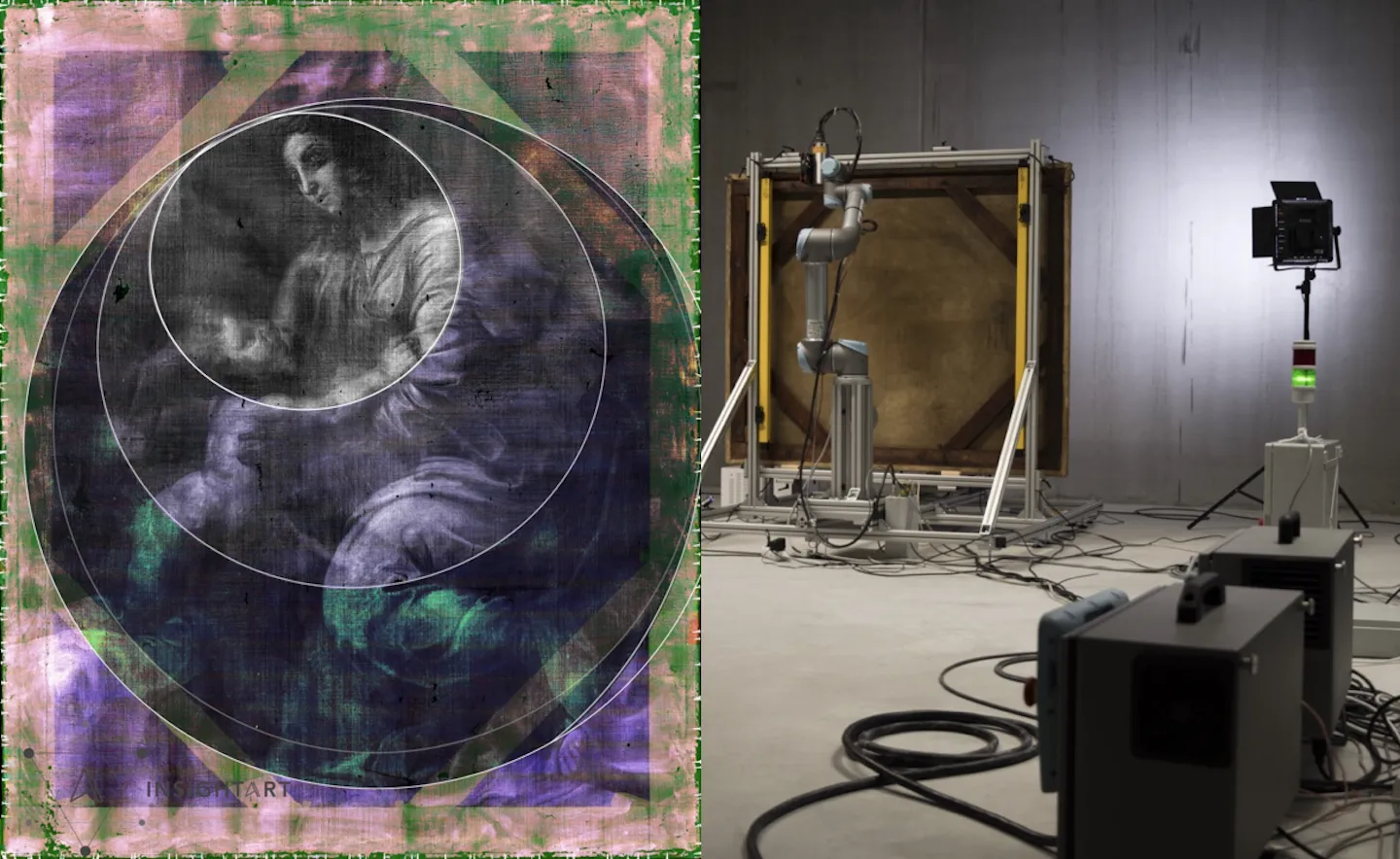
CERN’s Timepix particle detectors, developed by the Medipix2 Collaboration, help unravel the secret of a long-lost painting by the great Renaissance master, Raphael 500 years ago, the Italian painter Raphael passed away, leaving behind him many works of art, paintings, frescoes and engravings. Like his contemporaries Michelangelo and Leonardo da Vinci, Raphael’s work made the…
-
NASA, CERN Timepix Technology Advances Miniaturized Radiation Detection
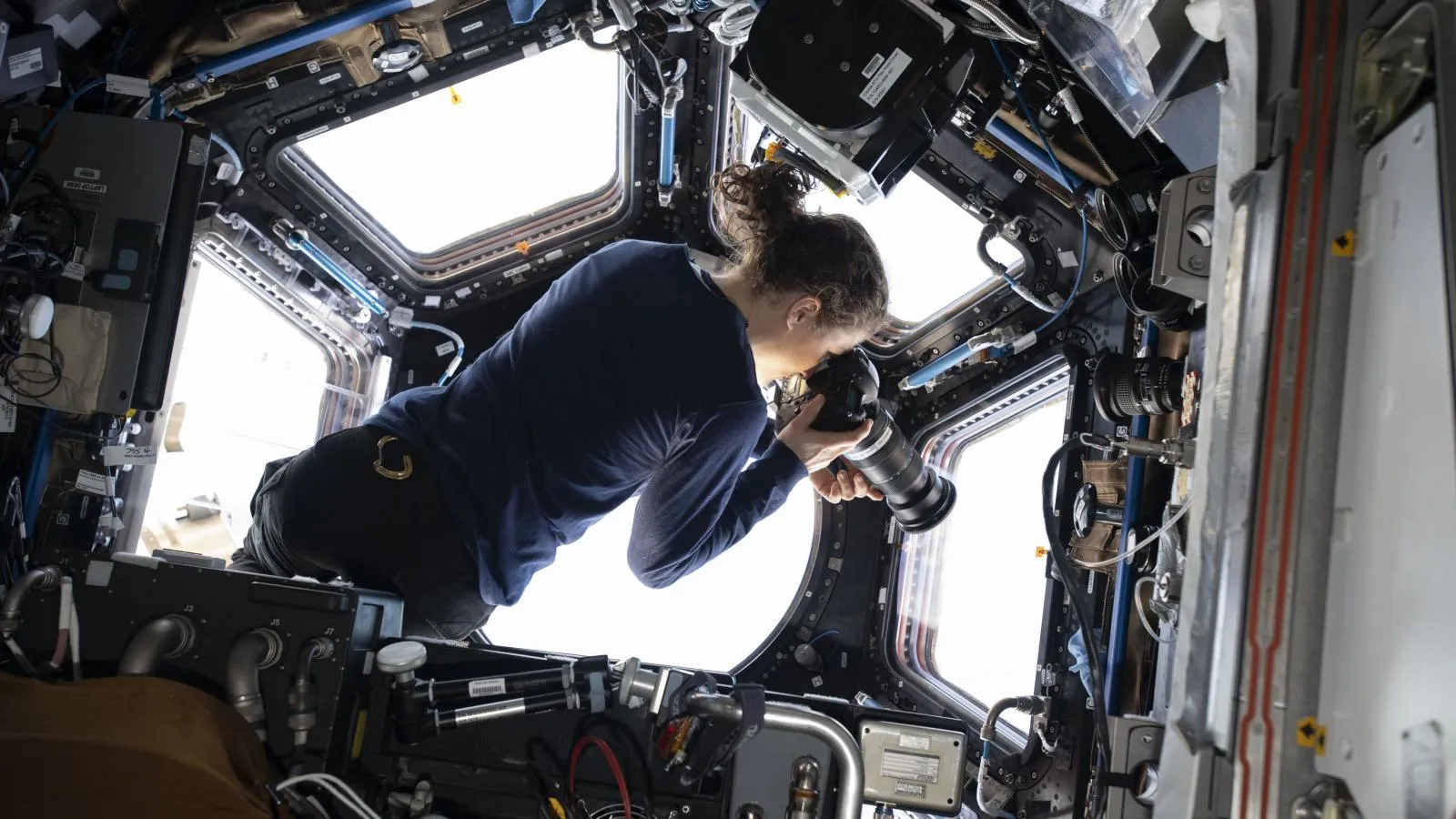
As we prepare to send the first woman and next man to the Moon and on to Mars, NASA, with support from the University of Houston, has been working to develop advanced radiation detectors to better protect astronauts and vital spacecraft systems. As we prepare to send the first woman and next man to the…
-
Amsterdam Scientific Instruments (ASI): Timepix3 licence
Amsterdam Scientific Instruments (ASI) has acquired a license from CERN for the TIMEPIX3 technology, a core component for ASI’s next generation hybrid pixel cameras. Amsterdam Scientific Instruments (ASI) has acquired a license from CERN for the TIMEPIX3 technology, a core component for ASI’s next generation hybrid pixel cameras. With the newly obtained license the company…
-
ADVACAM: Timepix3 licence
CERN as an authorized licensor of Medipix3 collaboration and ADVACAM s.r.o. have signed a Timepix3 license agreement. Timepix3 chip (TPX3) is the next generation of X-ray and radiation imaging technology. CERN as an authorized licensor of Medipix3 collaboration and ADVACAM s.r.o. have signed a Timepix3 license agreement. Timepix3 chip (TPX3) is the next generation of…
-
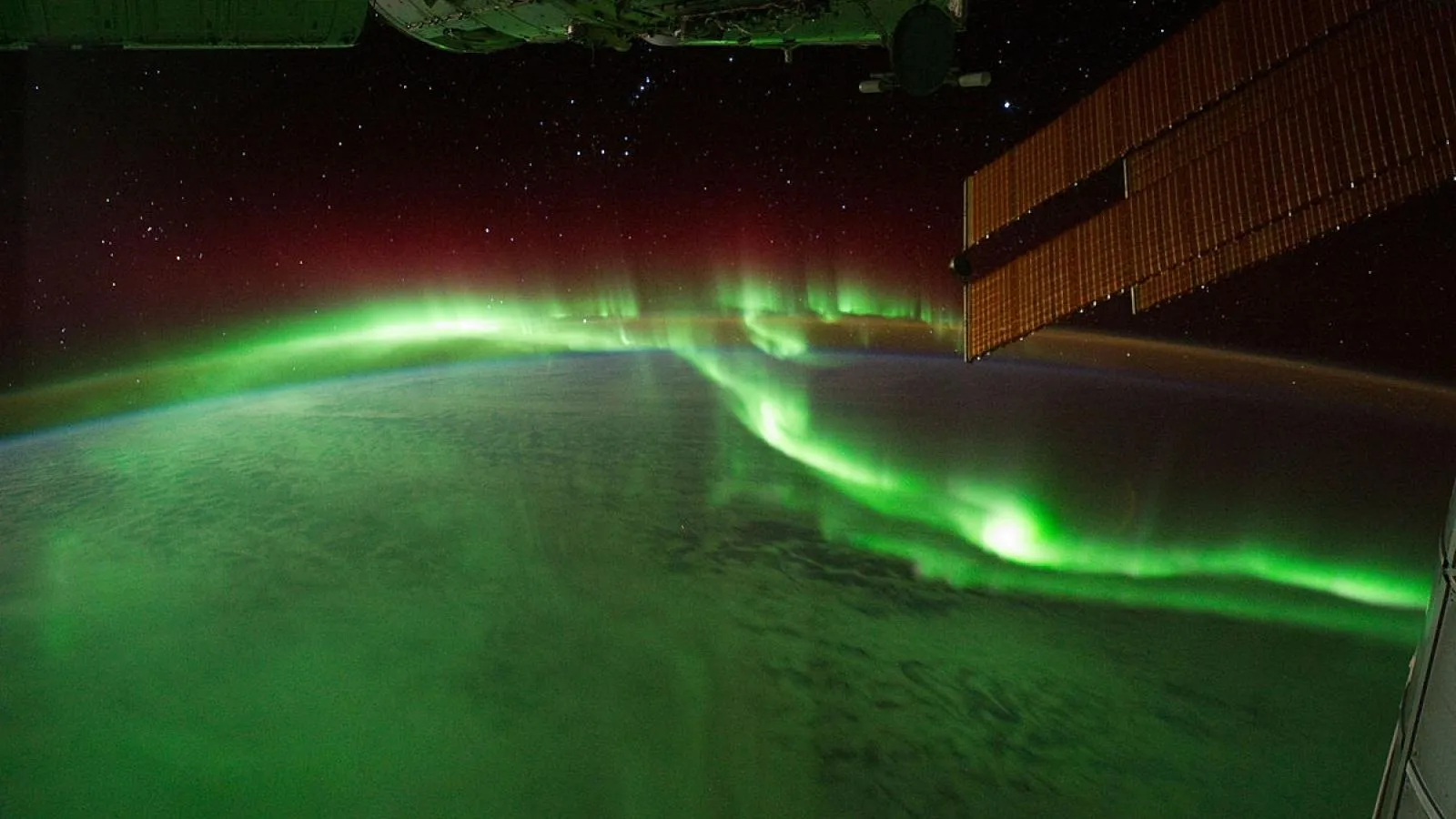
Schoolboy uses grid computing to analyse satellite data
At just 16, Cal Hewitt, a student at Simon Langton Grammar School for Boys in the United Kingdom became the youngest person to receive grid certification – giving him access to huge grid-computing resources. At just 16, Cal Hewitt, a student at Simon Langton Grammar School for Boys in the United Kingdom became the youngest…
